Get Full Government Meeting Transcripts, Videos, & Alerts Forever!
Get email alerts on the Homeless Shelters topic
No spam. Unsubscribe anytime.
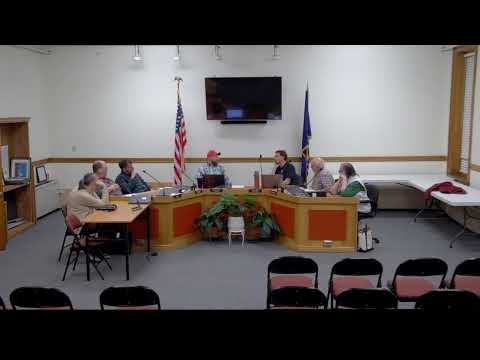
Skowhegan planning board amends homeless-shelter draft and forwards it to Select Board
Summary
The Skowhegan Planning Board reviewed a combined homeless-shelter and public-camping ordinance, debated licensing, 1,000-foot setbacks, monthly inspections, and police vetting of staff, and voted to send an amended draft to the Select Board that conditions enforcement on shelter availability.
The Skowhegan Planning Board voted to forward an amended draft of a combined homeless-shelter and public-camping ordinance to the Select Board after a lengthy workshop debate on licensing, safety standards and background checks.
Board members spent much of the meeting examining the draft’s scope and practical effects. Planning staff said the draft was provided through Brian and noted it combines public-camping prohibitions with facility-licensing provisions for shelters. A member summarized recent court rulings, saying that municipal bans on sleeping in public are enforceable only when adequate shelter alternatives exist; planning staff said the ordinance should be revised so enforcement is conditioned on shelter availability.
Members raised a range of operational concerns that would affect any future shelter in town: broad definitions of municipal property that could include Lake George and Coburn Park; requirements for floor plans, maximum-occupancy determinations based on building and life-safety codes, fire-evacuation and sprinkler systems, and sanitation and pest-control plans. Planning staff said many of those items reflect NFPA and state building-code standards and would involve the fire department and code enforcement.
The most contested portion of the draft was Section 17, which as written would have required staff, volunteers and other individuals involved in shelter operations to be “subject to review by the Skowhegan Police Department prior to working at the facility.” Several members said that language would make the town responsible for vetting, create potential liability and place an unusual administrative burden on police; one member said, “I would eliminate the whole section 17.” Planning staff and others proposed striking and replacing it with a provision requiring shelters to conduct background checks and provide signed verification that checks were completed during the license year, with costs borne by the operator. The board discussed alternatives, including allowing the police to review records on request rather than making the town the default vetting arbiter.
Members also debated a proposed 1,000-foot separation from schools and from other licensed shelters. Some argued the requirement could make finding practical sites difficult; others said spacing could reduce overlapping daytime congregation. Planning staff proposed adding a variance or case-review path so the planning board could reduce separation distances when public-health and safety findings support it.
On nuisance and license revocation language, members asked for objective thresholds (for example, a number of substantiated violations within a set period) rather than a generic “repeated nuisance complaints” standard, to limit subjective revocation decisions by future Select Boards.
After discussing revisions — including language that enforcement of public-camping bans should only occur when shelter space is available — the board voted by hand to pass the revised draft on to the Select Board for its consideration and potential action. The motion carried; a specific roll-call tally was not recorded in the transcript.
Next steps: staff will update the draft to reflect the board’s changes and concerns and present the revised ordinance to the Select Board. The Planning Board’s action does not adopt the ordinance; it forwards the amended text and the board’s notes for Select Board consideration.