Get Full Government Meeting Transcripts, Videos, & Alerts Forever!
Get email alerts on the Land Use topic
No spam. Unsubscribe anytime.
Neighbors say Monroe Institutes proposed 59,000 sq ft expansion would breach county planning goals and strain roads and services
Summary
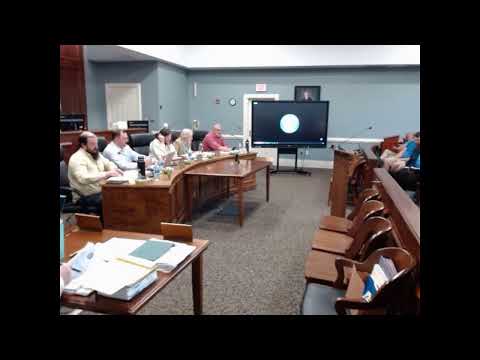
Multiple Newland-area residents and neighbors told the Nelson County Board of Supervisors that the Monroe Institutes special-use permit for a roughly 59,000-square-foot expansion (described as 60 additional beds and a large conference hall) conflicts with the countys Comprehensive Plan and agricultural zoning, citing traffic, safety and visual-impact concerns.
Heath Matis Snider, a Nelson County resident and former firefighter-paramedic, presented detailed objections to the Monroe Institutes proposed special-use permit (SUP), saying the roughly 59,000-square-foot expansion — described in public comment as approximately 60 additional beds and a large conference hall — runs counter to multiple elements of the Nelson County Comprehensive Plan. Snider said the site is agriculturally zoned, not inside a designated growth area, and is environmentally sensitive: “This development will destroy sensitive resources, negatively affect the well-being and viewshed of the residents of the Newland community and... increase strain on the community infrastructure and services.”
Stephanie Matis Snider and several neighbors echoed that the projects scale is out of character for A1 agricultural zoning. Speakers compared the proposed square footage to local buildings and said the SUP does not satisfy criteria that the use be in harmony with the rural district and not adversely affect neighboring properties. Justin Mimoney and Kimberly Money described increased pedestrian and vehicular traffic that would bring many short-stay visitors into a family-oriented community; one resident recounted finding an unsecured firearm on a shared dock during a past visit and said the incident underlined safety concerns.
Why it matters: Residents argued the project is essentially a large hotel/conference center on agriculturally zoned land and that an expansion of this scale threatens rural character, local roads and neighborhood safety. Speakers asked the board to deny the SUP or demand substantial scale reductions and more detailed information on ownership, financing, and traffic management.
What comes next: Multiple commenters noted the item will come before the board for a vote at a future meeting (commenters referenced an April 14 meeting date for further board consideration); in the portion of the transcript provided, the board had not taken a final vote on the SUP.