Get Full Government Meeting Transcripts, Videos, & Alerts Forever!
Get email alerts on the Election Administration Recounts topic
No spam. Unsubscribe anytime.
Election Assistance Commission training offers checklist for recount preparedness
Summary
The Election Assistance Commission released a training module outlining best practices for recount readiness, urging election officials to prioritize chain-of-custody procedures, trained bipartisan recount teams, clear voter-intent rules, adequate space and supplies, and transparent public communication.
A presenter for the Election Assistance Commission (EAC) outlined step-by-step measures election officials should take to prepare for recounts, emphasizing chain of custody, trained bipartisan teams and clear public communication.
The training, delivered in a comprehensive module, framed recount readiness as an extension of ordinary election preparation and urged jurisdictions to "treat every election as if a recount is possible," the presenter said. The module offers practical guidance on staffing, paperwork, procedures, space, materials and security that officials can adapt to state law.
Why it matters: Recounts often draw intense public and media scrutiny and require meticulous documentation and secure handling of ballots. The EAC guidance is intended to help election offices minimize errors, demonstrate transparency, and preserve public trust when recounts occur.
What the training recommends
Staffing and training: The EAC presenter recommended recruiting recount team members from experienced poll workers, seasonal staff, civic organizations, students or political parties as allowed by state rules. Officials should estimate staffing needs based on the number of ballots and contest complexity and train teams in counting procedures, paperwork completion and any applicable bipartisan requirements. The presenter advised holding a kickoff meeting — in person or remotely — to cover timelines, payroll, roles and expectations.
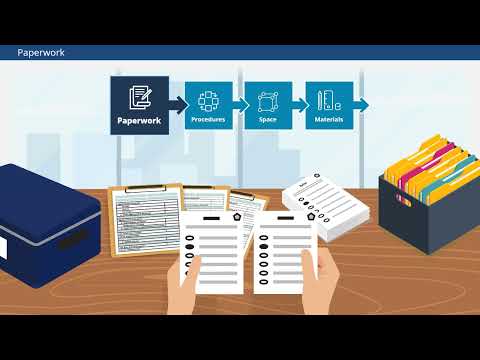
Paperwork, chains of custody and equipment: The module stresses preparing forms and standard operating procedures in advance, documenting all transfers of materials, and maintaining chain-of-custody records for ballot containers, seals and other controls. For machine recounts, officials should plan pre-recount testing, secure set-up of voting equipment and have backup machines and vendor or IT support available.
Counting methods and dispute resolution: The training recommends assigning bipartisan teams to process one precinct or batch at a time, having two people examine each ballot, and counting one contest at a time to avoid errors. Officials should define voter-intent rules (what marks count, over/undervotes, write-in treatment) and set escalation procedures for disagreements, including who makes final adjudications.
Space, observers and security: The presenter urged jurisdictions to identify accessible, well-lit spaces large enough for recount teams, observers and equipment, and to designate separate areas for observers and the media where permitted. The module suggests publishing written rules for observers — including whether photography or recording is allowed, space boundaries, and how and when candidate representatives may object — and ensuring rooms can be securely locked when not in use.
Supplies and multi-day considerations: Officials should prepare tally sheets, pens, envelopes, extra ballot containers, seals and chain-of-custody forms that document secure storage at the end of each day when recounts span multiple days.
Guidance limits and next steps: The presenter repeatedly urged jurisdictions to "closely review and follow your state's specific requirements," noting that recount laws and procedures vary by state. The module points election officials to additional EAC resources, including a chain-of-custody training video, for further detail.
The training does not impose legal requirements; rather, it offers recommended practices election offices can adapt in light of state law and local procedures. The module closed by thanking election workers and encouraging offices to review and update standard operating procedures before a recount arises.