Get Full Government Meeting Transcripts, Videos, & Alerts Forever!
Get email alerts on the Forestry topic
No spam. Unsubscribe anytime.
Swansea board hears plan to harvest aging pines on Tracy lot to restore native hardwoods
Summary
A forestry consultant recommended an overstory removal on about 12 workable acres of the Tracy lot to address a century‑old pine stand that is failing, improve habitat and reduce roadside safety risks; board members asked for UNH review, public outreach and timing tied to timber markets.
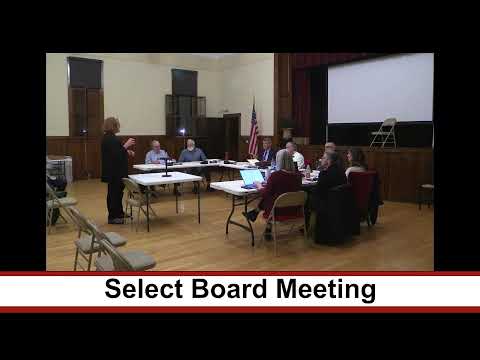
A forestry consultant briefed the Swansea Board of Selectmen on a proposed harvest of aging pine on the Tracy lot, saying the operation would remove the overstory pine to release an understory of native hardwoods and improve long‑term forest health.
Jeremy, a consultant who accompanied a UNH Cooperative Extension specialist on a site visit, told the board the stand is roughly a century old and showing widespread mortality: "you'll see trees that have snapped and the tops have fallen or they're standing dead," he said, arguing the age cohort is accelerating the decline. He recommended focusing on roughly 12 operational acres in the upland portion of the parcel and preparing the site, marking trees, then issuing a public bid prospectus when the project is ready.
Board members expressed interest in preserving native species and minimizing invasive‑species spread. One member raised concerns about invasives along the field edge and asked how the team would prevent those species from taking over after cutting; Jeremy said the UNH specialist recommended a "high light intensity" prescription in areas where native regeneration is present and described post‑harvest tools such as targeted invasive control and chipping of slash to reduce aesthetic complaints and wildfire risk. He also proposed a public pre‑harvest workshop so neighbors can ask questions and view management rationale and constraints.
Timing and market conditions were central to the discussion. Jeremy advised that low pine prices could justify shelving active harvest work until market conditions improve, while still completing the mapping, marking and bid packaging so the town can act quickly if prices rise or tree health worsens. He recommended returning in summer with a refined procurement calendar and a copy of the UNH specialist's report for the board.
The board asked staff to coordinate a UNH review, seek additional written materials for the public packet, and plan neighbor outreach before any timber sale is advertised. No formal vote or contract award was taken at the meeting.
The next steps are for staff to post the consultant and UNH reports to the board packet, schedule a public information session, and return with procurement documents and a recommended timing plan before authorizing a sale.