Get Full Government Meeting Transcripts, Videos, & Alerts Forever!
Get email alerts on the Audit Accountability topic
No spam. Unsubscribe anytime.
Candidate says auditor should follow tip line and policies after newsletter audit and tax-rate error
Summary
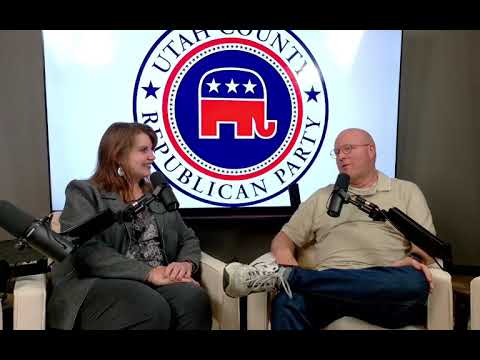
During the Utah County Republican Party podcast, Gina Tanner said audits should follow tip-line leads or scheduled reviews and advocated automated checks after an incident that reportedly sent incorrect property-tax notices and cost taxing entities substantial revenue.
Gina Tanner, a candidate for Utah County auditor and current county budget manager, told the Utah County Republican Party podcast that the auditor's office must follow both formal audit schedules and tip-line complaints to maintain accountability.
Asked about an audit of Commissioner Skyler Beltran's $28 monthly newsletter, Tanner said she would first determine whether the review was initiated by a tip-line complaint or by a scheduled audit. She said that if a tip prompted the review, the auditor is required to check it out.
The interview also covered a separate error in which incorrect property-tax rates were entered into the system. Charles Maxwood noted the mistake "result[ed] in property tax notices being sent to property owners that showed lower amounts than what was actually owed" and said it cost some taxing entities "six or even seven figures" in expected revenue. Tanner supported automating rate generation and adding mandatory human verification. "Anything we can do to help prevent human error is super important," she said.
Tanner stressed that the auditor's office does not set policy and cannot unilaterally reassign department responsibilities; it can make recommendations to the commission and follow up on remediation. For audit findings that are not addressed, Tanner said the office can recommend the commission remove privileges (for example, petty cash) or, when appropriate, refer prosecutable issues to county attorneys.
Tanner said she would follow up to learn whether the newsletter review came from a tip call or from the office's own schedule, and that clearer county policy defining "nonofficial county use" would reduce uncertainty about when audits are appropriate.
The interview underscores the candidate’s emphasis on procedural clarity: timely, automated systems for routine inputs, clear policies on audit scope, and published results so residents can judge whether corrective steps were taken.