Get Full Government Meeting Transcripts, Videos, & Alerts Forever!
Get email alerts on the Graduation Policy topic
No spam. Unsubscribe anytime.
Board advances graduation-proficiency policy; trustees debate timing and supports for students with IEPs/504s
Summary
Trustees moved several policies to third reading and discussed a proposed graduation-proficiency requirement that phases in higher assessment thresholds; administrators said accommodations for students with IEPs and 504 plans will remain and remedial supports will be provided for students below thresholds.
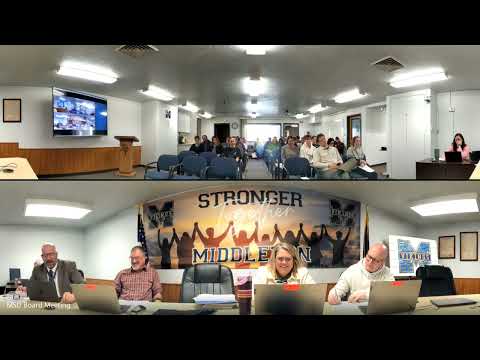
The Middleton School District board advanced a bundle of policies to third reading on March 9 and debated a new graduation-proficiency policy (policy 2700) that would tie demonstrated proficiency on certain state assessments to graduation requirements on a phased timetable.
Administrators proposed a phased approach: for the class of 2027, students would be required to meet a modest threshold (a score of "two" or higher on the district's described scale) to avoid a senior-year remedial class, with the proficient target ("three" or higher) phased in for subsequent graduating classes. Administrators said the staggered timeline was intended to avoid imposing a sudden change on students already mid-course.
Trustees and staff emphasized that students with individualized education programs (IEPs) and 504 plans will not be exempt from testing but will receive accommodations and supports. "A 504 does not exempt them from testing," a district administrator said, and added that the district will provide appropriate testing accommodations so students can demonstrate their abilities. Administrators estimated that if the policy were applied to current cohorts, the number of students needing a remedial class could be substantially smaller once special-education students are excluded, but they cautioned cohort-to-cohort variation and characterized the percentage estimates as preliminary.
Supporters said the policy sets clear expectations and may drive earlier interventions across elementary and middle school grades; some trustees urged continuing communication to families about interventions available well before junior year. The board voted to advance the policies to third reading. No vote on final adoption of the graduation-proficiency policy was taken at the meeting.