Get Full Government Meeting Transcripts, Videos, & Alerts Forever!
Get email alerts on the Homelessness topic
No spam. Unsubscribe anytime.
Residents urge Muskegon City to create emergency shelter plan after church warming shelter
Summary
Public commenters described ad‑hoc warming shelters and urged the city to develop a formal "code blue" emergency shelter system; speakers also criticized the Muskegon Rescue Mission's policies and described clients being refused shelter.
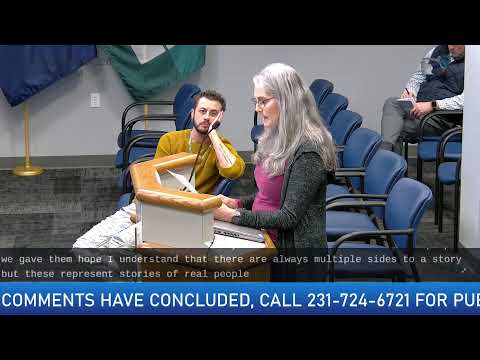
Several residents and volunteers told the Muskegon City Commission on Feb. 24 that the city needs a formal emergency shelter plan for extreme weather and more alternatives to relying solely on the Muskegon Rescue Mission.
Andrea Gagnyu of the Nelson neighborhood described organizing an overnight warming shelter at Covenant Community Church on short notice and presented a draft Emergency Weather Rapid Response Program as a conversation starter for a citywide "code blue" activation when temperatures or wind chills become dangerous. "With all the smart people we have in Muskegon County, we can totally come up with a plan to do an emergency shelter," Gagnyu said.
Other commenters gave first‑hand accounts of people being barred from shelters and of volunteers working to find alternatives. Patricia Jones, who identified herself as speaking from the Muskegon shelter, criticized some property owners and said low‑income and elderly tenants are being squeezed by rent increases and poor property management. Several volunteers described clients who were turned away from the rescue mission and who were assisted by community groups with clothing, transport and temporary lodging.
Volunteers from local groups and a representative of the giving table said short‑term emergency actions (opening a church overnight) were possible within hours and urged the city, Muskegon Heights and the county to coordinate a more durable response for next winter. Director Eholm, who later previewed a March housing work session, will present housing programs and a new housing dashboard to the commission in March, offering an opportunity to connect shelter and housing strategies.
What residents requested: that the city convene stakeholders to design a Code Blue emergency response, explore emergency shelter venues and pathways for people refused by existing shelters, and identify funding and operational partners. City staff did not adopt any new shelter policy at the meeting; residents were asked to continue coordinating with providers and the commission and to bring formal proposals to staff for consideration.
The meeting record contains multiple personal accounts and allegations about shelter operations and landlords; commissioners and staff acknowledged the need for further discussion and for policy work at upcoming sessions.