Get Full Government Meeting Transcripts, Videos, & Alerts Forever!
Get email alerts on the Inspector General topic
No spam. Unsubscribe anytime.
Committee advances bill to create state Office of Inspector General after amendment
Summary
Representative Norris presented an author's amendment to Senate File 856 to establish an independent Office of Inspector General (OIG) with prevention and oversight powers; after debate over constitutional appointment language, Medicaid investigative primacy, duplication with the Legislative Auditor and uncertain costs, the committee adopted the amendment and sent the bill to Judiciary.
Representative Mark Norris introduced an author's amendment to Senate File 856, saying the measure would create an independent Office of Inspector General to prevent and investigate fraud across state government and that the amendment fixes unconstitutional appointment language and expands prevention authorities.
"Fraud in any form remains unacceptable. And I remain committed to taking appropriate action to address it," Norris said, and described provisions allowing the OIG to establish investigative standards, facilitate information sharing between agencies and evaluate agency inspector general performance for legislative reporting.
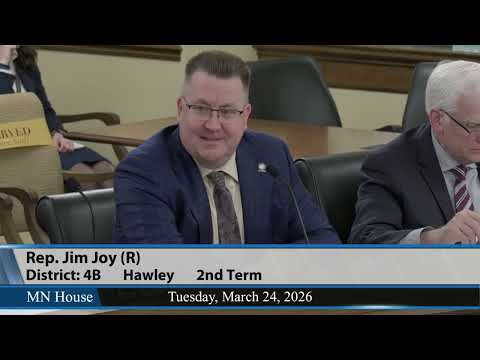
Members pressed the author on how the bill would interact with federal rules and existing state entities. Representative Joy questioned whether the bill’s language could create conflicting authority with agencies that administer Medicaid, asking whether the OIG or the administering agency would have the power to freeze funds. Norris responded that federal rules require agencies administering Medicaid to be primary investigators and said the bill aims to respect federal requirements while ensuring investigations meet consistent standards.
Several members raised concerns about duplication of work with the Office of the Legislative Auditor and the Bureau of Criminal Apprehension, the bill’s potential cost, and earlier constitutional problems. Representative Kraft and others said they still had reservations about the bill’s scope and funding but thanked the author for changes that addressed appointment and constitutional concerns.
After a requested roll call, the committee adopted the author’s amendment and voted to advance the bill to the Judiciary Committee. The clerk recorded the roll call and the committee reported the bill out of committee.