Get Full Government Meeting Transcripts, Videos, & Alerts Forever!
Get email alerts on the Human Resources topic
No spam. Unsubscribe anytime.
County reports 10.6% vacancy rate; health care professions hardest to fill
Summary
Human Resources told the board Solano County’s overall vacancy rate was 10.55% (7.24% excluding unbudgeted positions). Unit 11 (physicians, dentists, psychiatrists) showed the highest vacancies and the county outlined recruitment incentives: signing bonuses, student‑loan repayment matching, relocation aid and a planned classification study.
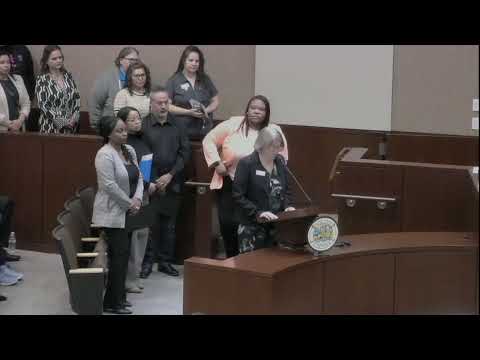
Solano County human resources officials told supervisors on May 5 that the county’s overall vacancy rate stood at 10.55% as of Feb. 28, 2026, declining from peaks reported earlier but with notable shortages in health‑care professions.
Niger Edwards, the county’s human resources director, said the adjusted vacancy rate excluding unbudgeted positions is 7.24%. Bargaining Unit 11 — county physicians, dentists and psychiatrists — showed an elevated vacancy figure before adjustments; when unbudgeted slots are removed the unit’s vacancy rate is 19.27%, just under the 20% threshold identified in state guidance.
Edwards described recruitment efforts including the NEOGOV applicant system, participation in in‑person career fairs, targeted signing and retention incentives funded in part through partnerships (bonuses for clinic physicians and psychiatrists), a student‑loan‑repayment match of up to $70,000 over eight years, and relocation assistance that can include family moves. The county also approved negotiated pay adjustments for a set of classifications and a 3% cost‑of‑living increase; some job titles received equity adjustments up to 20%.
Edwards told the board the county plans a comprehensive classification study and updates to civil‑service rules to modernize hiring, and will expand outreach to schools and employment training providers to build a pipeline for public service jobs. Supervisors asked follow‑up questions about eligible hiring lists, timelines for the classification work (which could range from months to years) and whether the county conducts employee surveys; Edwards said some engagement data exists but the county had not yet launched a targeted recruitment/retention survey of current staff.
The public hearing required by AB 2561 (Gov. Code §3502.3) received no public speakers and the board closed the hearing without action beyond receiving the report.