Get Full Government Meeting Transcripts, Videos, & Alerts Forever!
Get email alerts on the Judiciary topic
No spam. Unsubscribe anytime.
Court of Appeals hears dispute over whether prior federal rulings bar Geomet Watch’s malpractice damages claim
Summary
At oral argument, Geomet Watch told the Utah Court of Appeals that earlier federal proceedings did not resolve a state-law theory that lawyers’ earlier conduct and different timing could have prevented Hall’s deal and preserved millions in financing; defense counsel said causation was dispositive and there was no evidence anyone but Geomet caused its financing failure.
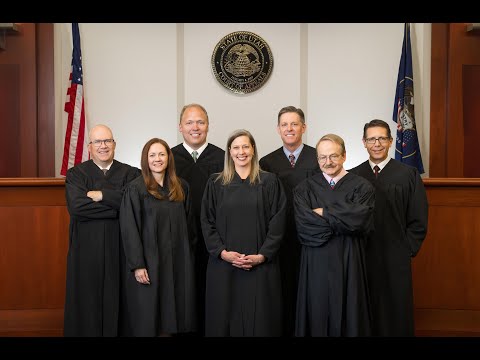
The Utah Court of Appeals heard argument in Geomet Watch Corporation’s appeal of a state-court malpractice and damages ruling, focusing on whether earlier federal litigation precludes Geomet’s state-law theories and whether the record includes evidence of causation. Plaintiff’s counsel said the state action raises timing- and duty-based claims not considered by the federal courts; defense counsel said prior rulings show there is no evidence of causation and thus no basis for relief.
“May it please the court,” plaintiff counsel James Magby told the panel, arguing that “the duties to lawyers … are specific, important, and significant” and that the federal case never addressed timing and duties central to the state damages theories. Magby said Durham Jones began representing interests adverse to Geomet as early as the fall of 2013, that a November 2013 “better offer” email from Alan Hall put third parties on notice, and that earlier lawyer intervention could have cut off Hall’s access to Geomet’s confidential information. He told the court that the university had invested about $2 million and that a private partner was prepared to invest tens of millions, and that the record includes an expert valuation and a factual account of Durham Jones suing its own client in April 2014 that, he said, undercuts the federal-court framing of causation.
Defense counsel Matthew Lai urged the court to treat causation as the dispositive issue. “There was zero evidence of causation,” Lai told the panel, arguing that all courts below and the 10th Circuit concluded Geomet was the proximate cause of its own failure to obtain financing. Lai said the appellate issue is not duty or breach but whether any evidence shows the defendants prevented financing or otherwise caused the loss; without causation, he said, the remainder of the malpractice claim must fail.
The panel pressed both sides on legal standards and the evidentiary record. Judges asked whether differences in the burden or proof between federal and state proceedings could defeat collateral estoppel, and whether new experts or additional evidence in the state case should be enough to avoid preclusion. Plaintiff’s counsel relied on Utah precedent distinguishing issues when legal standards differ and on his contention that at least one damages theory — lost business value — was not presented to the 10th Circuit and therefore is not precluded. Defense counsel answered that where courts have found no evidence at all, different formulations of the claim do not change the dispositive lack of proof.
Counsel on both sides cited multiple authorities and fact- and expert-based valuation evidence; plaintiff emphasized an expert opinion valuing the enterprise and episodes—including the firm’s termination of representation and suit against its client—that he said rendered financing impossible. Defense counsel responded that the project has not succeeded in the 13 years since, that the financing ultimately did not materialize, and that speculative ‘‘would have’’ scenarios do not defeat summary judgment.
The court took the matter under advisement and said it will issue a written opinion in due course.