Get Full Government Meeting Transcripts, Videos, & Alerts Forever!
Get email alerts on the Healthcare Costs topic
No spam. Unsubscribe anytime.
Board adds resolution urging state relief for rising school employee health‑care costs
Summary
Board member Miller introduced and the board added to the agenda a resolution calling on the governor and legislature to provide short‑term relief and long‑term reform for rising public‑employee health‑benefit costs, citing recent double‑digit premium increases and a midyear SEBP analysis.
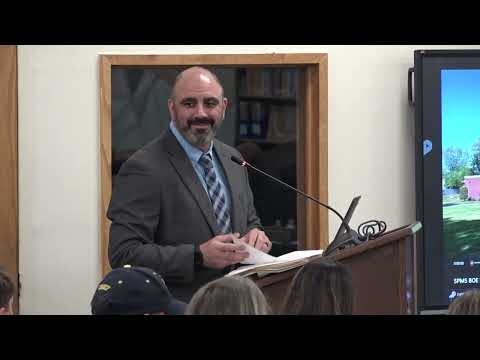
Board member Miller read a resolution asking the governor and state legislature to provide immediate short‑term relief and pursue long‑term reforms to the state health‑benefits system for public employees.
The resolution cites double‑digit year‑over‑year premium increases in both the School Employees' Health Benefits Program (SEHP/SEBP) and the private market and references a Treasury Department analysis presented in March 2026 forecasting continued premium increases for 2027. The text said the recent 31.9% premium increase that took effect in January 2026 is part of nearly 74% growth in the prior five years.
Board members discussed the resolution’s wording and strategy for advocacy. Several members urged that the district not only send the resolution to state leaders but also engage in in‑person lobbying; the county board president said he would ask boards across the county to place the same resolution on their agendas and noted the lieutenant governor has accepted an invitation to attend a future county meeting.
The board voted to add the resolution to the agenda and signaled support for county‑level coordination; the resolution text will be forwarded to state officials and the New Jersey School Boards Association as listed in the draft.
Context Administrators and multiple board members framed rising healthcare premiums as a principal driver of budgetary stress and described advocacy to change the state funding formula as a necessary complement to local budget management.