Get Full Government Meeting Transcripts, Videos, & Alerts Forever!
Get email alerts on the Community Programs topic
No spam. Unsubscribe anytime.
Will County state’s attorney highlights child‑advocacy center, animal‑protection unit and tech crimes work
Summary
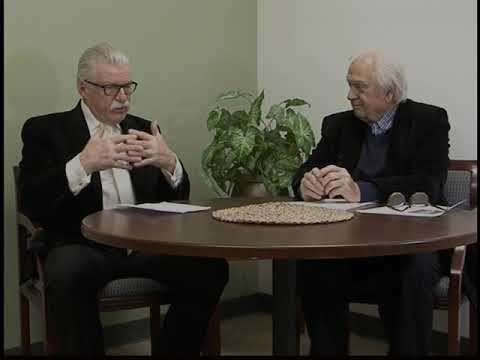
On Profiles in Joliet, Jim Glasco described founding the Child Advocacy Center, the high‑technology crimes unit (including a SIM‑detection dog named Cash), and an animal protection unit and programs aimed at promoting compassion and support for victims.
Will County State's Attorney Jim Glasco used his Profiles interview to describe a range of community programs his office runs in addition to prosecution: a Child Advocacy Center (CAC) that centralizes interviews and victim services, a high‑technology crimes unit formed in 2012, and animal‑protection initiatives that include a specialized prosecution unit and therapy/rescue programs.
Glasco recounted how the CAC began in 1995 with local fundraising and matching state support. "We got space 3,000 square feet... the child ad center open with one employee," he said, and described the center as having both investigative benefits and therapeutic services for victims. He called the center "a godsend" and said it helps both criminal cases and victims' rehabilitation.
On technical investigations, Glasco recalled building a high‑technology unit to investigate child pornography and other digital crimes. He described a detection dog named Cash that can locate electronic evidence such as SIM cards hidden in ceilings and secret compartments: "He was the first dog uh ever in Illinois in law enforcement that had that ability." The guest said the state police later took over some of those functions but praised the early local work.
Glasco also described animal‑welfare efforts: the Pause for Kids program, a League of Extraordinary Canines and Friends initiative, and an animal protection unit staffed by three attorneys. He said the Animal Legal Defense Fund gave him an award for his animal‑welfare work and argued that promoting kindness toward animals supports broader community compassion.
He added concerns about technology and policy: AI will complicate child‑protection work because of synthetically generated imagery, and he suggested the need for new laws addressing AI‑based harms.
Ending note: Glasco said the office hopes to expand animal programs into schools and improve coordination among veterinarians, rescues and government responders. He framed the CAC and related programs as essential complements to criminal prosecution and community recovery.