Get Full Government Meeting Transcripts, Videos, & Alerts Forever!
Get email alerts on the Education Career Preparation topic
No spam. Unsubscribe anytime.
Canyon ISD outlines districtwide K–12 advising program after state grant, buys SchoolLinks software
Summary
Canyon ISD presented details of a three‑year Effective Advising grant (about $100,000/year) and the district’s purchase of SchoolLinks to establish a K–12 advising framework, with priorities including industry certifications, SAT/TSIA2 improvement, soft‑skills development and FAFSA completion.
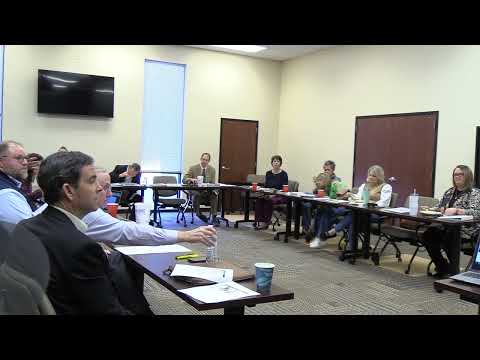
Canyon ISD leaders on March 9 described a districtwide plan to start formal advising conversations in kindergarten and use state grant funds to expand career and college guidance through graduation.
Mark Hamill, who said he is chairing the district’s advising committee, told the board the district was awarded a three‑year Effective Advising grant that provides “a little over $100,000 a year” to build a K–12 advising framework. The district used a large portion of year‑one funds to buy SchoolLinks, a counseling platform Hamill said costs about $65,000 and provides lesson plans and a counselor dashboard that aggregates student testing and pathway data.
Hamill said the grant work focused on four measurable priorities: increasing industry‑based certifications, supporting academic development to raise SAT/TSIA2 results, strengthening personal and social skills from a workplace perspective, and improving financial‑aid completion. He highlighted district gains in industry credentials — 270 IBCs in 2024, 436 in 2025 — and said the district was tracking 262 IBCs so far in 2026 with most testing scheduled in April and May.
On academic supports, Hamill cited college‑ready cut scores he and staff are using (SAT math 530; SAT reading 480) and said the district will expand targeted interventions, SAT prep and end‑of‑course TSIA2 testing in Algebra II. He said elementary and junior‑high counselors will deliver short, teacher‑led lessons during existing morning meetings so instruction time is not taken away from core classes.
Hamill said the initiative also targets FAFSA/financial‑aid completion (72% of last year’s seniors completed the FAFSA) and noted the counseling centers tracked about $10 million in scholarships obtained by the class of 2025 based on campus records. "We want to make sure there's no barriers to our students being able to go on to whatever they want to do post‑graduation," Hamill said.
The presentation included a readiness timeline: K–6 lesson rollout immediately after SchoolLinks finished its lesson set in December, broader junior‑high implementation this school year, and expanded guidance touchpoints for 9th and 10th graders in future years.
The board asked logistical questions about lesson timing and teacher roles; Hamill said lessons are designed to take 15–20 minutes across several days and will be delivered in morning meeting or counselors’ large‑group sessions. He also noted the district put career pathway posters in all 22 campuses and plans to refresh CTE videos using grant funds.
The board did not take a vote on the presentation itself; subsequent agenda items handled related purchases, course approvals and budget transfers tied to district implementation.