Get Full Government Meeting Transcripts, Videos, & Alerts Forever!
Get email alerts on the Policy Update 126 topic
No spam. Unsubscribe anytime.
Canyon ISD staff review Policy Update 126; board told most changes reflect new state law
Summary
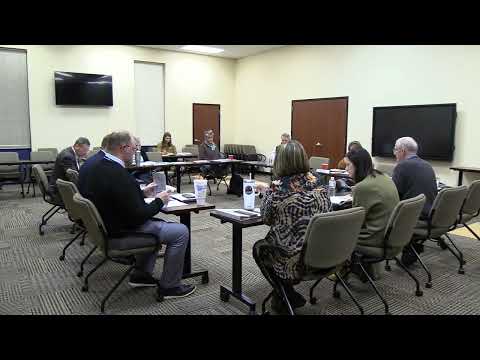
Board members and staff completed a third workshop on Policy Update 126, walking through nine remaining local policies that largely insert statutory language from recent bills (including SB 1049, SB 920, SB 1619, SB 571 and House Bill 6) and agreeing to add clarifying local definitions and administrative regulations where needed.
Canyon ISD trustees continued a multi-month, three-part first reading of Policy Update 126, focusing on nine remaining local policy updates that staff said are mostly driven by recently passed state laws.
Administrators told the board the large package reorganizes 28 local policies for clarity and often copies statutory language directly into local policy so staff can find and apply it quickly. “A lot of times we may spend time word‑smithing, but in most of these cases we’re taking language from the law and inserting it into our policy,” a district presenter said during the workshop portion.
Key statutory-driven changes reviewed included: requirements for “released time” religious instruction under Senate Bill 1049 (FEF), permission for school nurses to administer some nonprescription medications with parental consent under SB 920 and updated terminology to “epinephrine delivery system” in response to SB 1619 (FFAC), notification requirements to teaching staff about campus threats (FB B) tied to a House Bill, and tighter reporting and timelines for child‑abuse notifications and grievance procedures following SB 571 and other enacted measures.
Board members asked for clearer local wording where statutory terms may be unfamiliar to parents — for example, whether the definition of a “released time course” should appear in the local policy or by direct cross‑reference to legal policy. The presenter agreed to verify the statutory definition and add a local definition or citation to make the policy readable to families.
On grievance timelines, staff described a change that extends the filing period for student and parent grievances to 90 calendar days (while employee and public filing deadlines remain 15 business days), and adjusts hearing and decision windows across levels. “We lengthened the filing deadline for the student and parent grievance to 90 days… there’s an emphasis on trying to resolve it informally,” Robin said when explaining the timeline changes.
The board was reassured that several items in the packet were transcriptions of statutory requirements rather than new local mandates; where implementation detail is needed (notification forms, retention timelines for video evidence used in discipline), trustees directed staff to draft administrative regulations so the public and administrators have clear procedures. Trustees indicated they will revisit any policies they want pulled for further discussion at a February workshop and, if satisfied, consider formal approval at the February board meeting.
No formal policy adoptions occurred at the meeting; the session functioned as a final first reading and staff said they will return to the board with minor clarifications and any recommended administrative regulations before a potential approval vote.
The board’s next regular business meeting is scheduled for February, when staff expect to present any revised local wording and administrative regulations for the policies discussed.