Get Full Government Meeting Transcripts, Videos, & Alerts Forever!
Get email alerts on the Infrastructure Finance topic
No spam. Unsubscribe anytime.
Columbiana council raises sewer impact fees to fund upgraded treatment plant
Summary
The Columbiana City Council unanimously adopted Ordinance 03‑26‑01 on March 3, 2026, increasing impact/tap‑on fees for new sewer connections to help pay for a recently upgraded, two‑cell wastewater treatment plant; council members said the fees do not change monthly sewer rates.
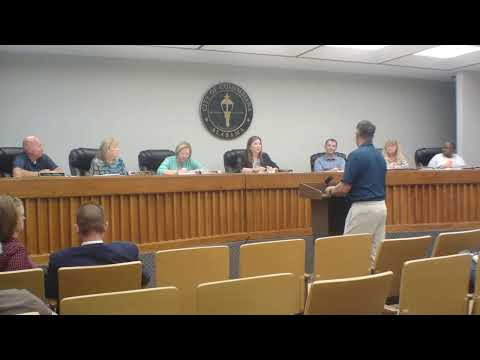
The Columbiana City Council voted unanimously on March 3 to adopt Ordinance 03‑26‑01, which raises impact (tap‑on) fees for new connections to the city’s sewer system to help cover operation, maintenance and replacement costs for an upgraded wastewater treatment plant.
Dale, the city’s environmental department head, told the council the plant upgrade includes a two‑cell treatment process (about 1 million gallons per side), a new electrical building and a SCADA system for remote monitoring. “This doesn’t have anything to do with your monthly bill that’s coming out. This is going to be [an] impact fee for new construction,” Dale said in explaining the proposal.
The ordinance text read aloud at the meeting lists several specific fees: a $500 impact fee for residents who previously used on‑site disposal systems but now have access to city sewer; a $1,800 impact fee for new residential connections and for existing residents who connect when new lines are installed; a $2,500 fee for commercial users; and a $3,000 fee referenced in the reading as an additional assessment upon completion. Mayor Lisa S. Davis and staff said the fees are intended to be one‑time tap or impact fees rather than changes to monthly user rates.
Mayor Davis and department staff said the city had not changed these tap‑on fees in roughly 30 years and that the adjustment is aimed at recouping costs associated with the plant upgrade. “We haven’t had a cost of living increase for this fee for that long,” Mayor Davis said during the discussion.
Before the final vote the council voted to suspend the rules and read the ordinance once. A roll call was then recorded with each member voting yes; the clerk announced the vote as unanimous and the ordinance became effective upon adoption.
The council did not discuss specific exemptions or a phase‑in schedule during the public meeting; staff indicated the revenue from the fees will be used for the wastewater system and related capital costs. The city plans to notify affected developers and property owners about the new tap‑on fee schedule and said it will continue to publish budget and project updates online.