Get Full Government Meeting Transcripts, Videos, & Alerts Forever!
Get email alerts on the School Finance topic
No spam. Unsubscribe anytime.
District 51 trustees warn of possible $600,000 ‘glitch’ and larger state funding shift; readopt budget
Summary
Mesa County Valley School District No. 51 trustees readopted the 2025–26 budget after a midyear financial review that flagged a potential $600,000 hold‑harmless calculation error and warned a separate state proposal to count vehicle-registration (specific ownership) tax in the finance formula could cost the district about $5.8 million.
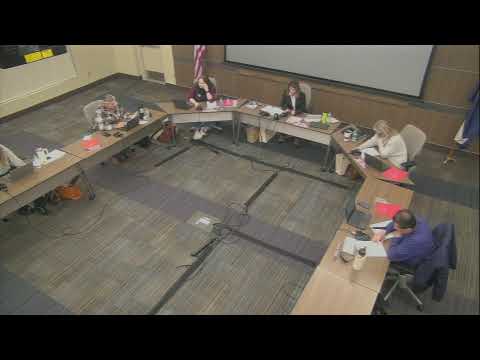
Mesa County Valley School District No. 51 trustees on Jan. 20 readopted the district’s 2025–26 budget after a midyear financial presentation that highlighted a potential $600,000 shortfall tied to a hold‑harmless calculation and warned of a larger, possible cut if the state moves local vehicle‑registration (specific ownership) taxes into the school finance formula.
The board voted unanimously to approve the readopted budget and related routine resolutions, including the use of beginning fund balance and authorization to borrow unencumbered funds for cash‑flow purposes. The motions passed with recorded votes from Mr. Chavis, Mrs. Cole, Mrs. Evansson, Mrs. Heights and Mrs. Woods.
The readoption followed a financial briefing by District 51 Chief Financial Officer Mel, who described the district’s midyear adjustments: lower-than-expected student counts, true-ups to revenue lines such as specific ownership collections, and a $3.1 million one‑time cost tied to approved COLA (cost‑of‑living) payments. Mel said the district’s adopted budget had been balanced at midyear but that the newly flagged issues add material risk to planning.
"As of Friday morning we were pre‑glitch in our readopted budget," Mel said, outlining that the district had budgeted for enrollment declines and had ensured reserves met the district’s 20% target. She told trustees the recently discovered hold‑harmless calculation "glitch" in state school finance modeling could require the state to recover roughly $600,000 from District 51 for the current year unless the legislature or the Colorado Department of Education corrects the error.
Contract lobbyist Amy Atwood told the board she has raised the issue with the Department of Education, legislative council staff and members of the legislature’s leadership and the Joint Budget Committee, and that she is working to have the state honor the intended hold‑harmless commitment. "It is on the radar and we are working to have the state hold the commitment that they made in negotiations," Atwood said.
Trustees also pressed presenters about a separate, broader policy change under discussion in Denver: shifting the treatment of specific ownership tax revenues (vehicle registration fees) into the state school finance formula. CFO Mel and Atwood said that change—depending on how it is structured—could shift roughly $5.8 million that the district currently budgets as local revenue into the state formula, effectively reducing local discretionary revenue the board counts on for ongoing operations.
"If the state counts that as formula revenue, that local money would be absorbed into the state share, and districts like ours would lose the ability to budget those dollars locally," Mel said. Board members described that potential as a major risk that could require use of reserves or significant program and staffing reductions if it materializes.
Board members discussed contingency options, including tighter central‑office staffing, potential use of reserves for a short term, and community options (such as a local mill levy) as more permanent solutions if the state moves forward with the change. Trustees asked staff for enrollment projections and scenario models reflecting two‑ and three‑year averaging and the potential loss of specific ownership funds.
The board’s formal actions on Jan. 20 included unanimous approval of the budget readoption, the resolution to use identified beginning fund balances, and routine cash‑management authority to borrow unencumbered funds between district accounts. Several trustees thanked staff for conservative planning and for building reserve levels that could help the district absorb near‑term shocks.
What happens next: district lobbyists and leadership said they expect the question about the $600,000 hold‑harmless fix to move through supplemental appropriations or a Department of Education technical correction in coming weeks. Meanwhile, the legislature’s broader consideration of school finance changes could unfold through the session and materially affect the district’s next budget cycle.