Get Full Government Meeting Transcripts, Videos, & Alerts Forever!
Get email alerts on the Grid Reliability topic
No spam. Unsubscribe anytime.
Subcommittee chair says baseload, dispatchable power were key to grid resilience during Winter Storm Fern
Summary
The chair of the House Subcommittee on Energy said baseload and dispatchable generation kept the grid running through Winter Storm Fern (beginning Jan. 23), argued intermittent resources fell sharply during the event, and urged policymakers to prioritize more dispatchable capacity as demand grows.
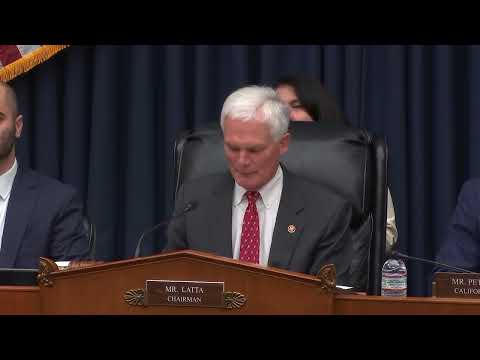
The chair of the Subcommittee on Energy opened a hearing to examine the electric grid's performance during Winter Storm Fern and said baseload and dispatchable power were decisive in limiting outages.
In an opening statement, the chair said the storm, which began Jan. 23, brought widespread snow, sleet and freezing rain across large parts of the country and forced families to rely on the nation's complex energy system. "Baseload and dispatchable resources saved the day," he said, arguing that coal, natural gas and fuel oil generation increased while intermittent generation "plummeted" and nuclear generation "remained steady and reliable." The chair described outages in freezing temperatures as having caused "billions in economic damage" and "tragic deaths" in vulnerable communities.
The chair identified the witnesses expected to testify later in the hearing: Southwest Electric Power Company (SWEPCO); the Northeast Gas Association, representing natural gas utilities in the Northeast; Grid Strategies, a public-policy organization; and the North American Electric Reliability Corporation (NERC), the organization charged with reliability of the bulk power system. He said those witnesses would provide insights into how the grid performed through the storm.
Using New England as an example, the chair said limited natural gas pipeline capacity in that region restricted supply and raised prices, which he said led plants to use more expensive fuel oil. "In spite of generous subsidies and favorable public policy choices, intermittent resources were nowhere to be found when New England needed power the most," he said.
Addressing long-term planning, the chair said the nation faces substantial growth in electricity demand and asked how policymakers and regulators should consider future resource mixes to meet year-round needs. "The answer is clear: our nation needs more dispatchable power, and it needs a lot more of it," he said, and urged use of domestic energy resources amid global disruptions.
The remarks were an opening statement; the subcommittee is scheduled to hear testimony from the named witnesses and receive questioning about operational and policy lessons from the storm. The chair then yielded back the balance of his time.