Get Full Government Meeting Transcripts, Videos, & Alerts Forever!
Get email alerts on the Homelessness topic
No spam. Unsubscribe anytime.
San Bernardino district says 5,046 students are currently identified as unhoused; Atlas team outlines services and transportation
Summary
San Bernardino City Unified officials told the board that 5,046 students have been identified as living in homeless situations and 653 are in foster care, and described the Atlas program's case-management, school-of-origin transportation and community partnerships that aim to keep students stable in school.
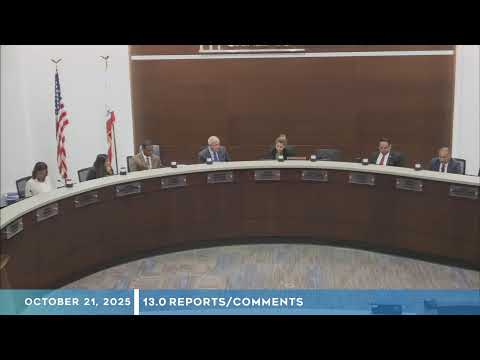
The San Bernardino City Unified School District on Tuesday reported that, as of early October, its Atlas program had identified 5,046 students living in homeless situations and 653 students in foster care and outlined steps the district takes to reduce barriers to education for those students.
Angela Oritis, the district's director of specialized programs, told the school board that Atlas coordinates identification, confidentiality protections and case management to ensure students continue to attend school and access supports. "We do this by providing supports, services, and resources to students, families and school sites based on their specific and individual needs," Oritis said.
The presentation said Atlas relies on multiple identification methods: an enrollment housing questionnaire, outreach at school and community events, notifications from partner agencies and data from state reporting systems. Oritis said the district sends weekly updated lists to site administrators and counselors so schools can act quickly when a student's living situation changes.
Tisa Strinski, a long-time Atlas liaison, described hands-on work that includes arranging transportation, delivering clothes and school supplies, and helping families navigate enrollment. "Our role is to walk alongside them, advocating and removing barriers to see their educational success," Strinski said.
Speakers stressed confidentiality. Vicky Lee, a district liaison with more than two decades of experience, said protecting families' privacy is essential to building trust: "When we protect their privacy, we protect their power. When we guard their stories, we affirm their worth."
Community partners described coordinated services. Naomi Kman of the Salvation Army said her organization maintains releases of information so case managers can access grades and advocate for students: "This partnership goes deeper than just identifying who a homeless or foster youth is. This partnership goes to making sure that the parents are set up for success," she said.
Board members pressed staff on how a young person becomes designated as a foster youth and what happens to students who are informally cared for by relatives without court involvement. Oritis and district staff explained that legal foster status typically requires a court case and involvement by children and family services; the district can use caregiver affidavits and unaccompanied-youth protocols to enroll students and provide school-based supports when court steps are not in place.
The Atlas team also described on-site programs that foster belonging — "Hearts," "Ignite" and "Elite" — and detailed partnerships that supply emergency housing, Thanksgiving meals and holiday support. The district described transportation arrangements that include district buses and contracted services (HopSkipDrive) to keep students connected to their school of origin even when housing changes.
Board President Myra Seayos asked the Atlas team for follow-up information on the number of students receiving transportation by school level; staff agreed to provide the breakdown. The presentation closed with the district noting that the Atlas program seeks to combine district casework with community nonprofit supports to reduce barriers and improve attendance and academic outcomes.