Get Full Government Meeting Transcripts, Videos, & Alerts Forever!
Get email alerts on the Licensing And Fees topic
No spam. Unsubscribe anytime.
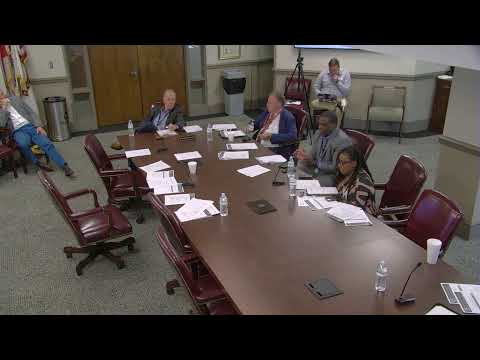
Committee OKs updated urban development fees; staff outlines city process for consumable hemp retail licenses
Summary
The committee approved updated urban development fees to take effect July 15 and heard staff describe the city’s step-by-step process for consumable hemp retail licensing under the Alabama ABC Board, including license types, age rules and a 10% excise tax split.
The Tuscaloosa City administrative committee approved an updated urban development fee schedule and heard a staff briefing on how the city will handle consumable hemp retail licensing under state rules.
Mr. Pons presented the urban development fee updates, noting the city’s last comprehensive fee schedule dated to about 2012 and that stakeholder feedback — including from home builders — informed the proposed changes. Staff said rising U.S. Postal Service costs for required mailings are a major driver of fee increases. The committee voted to approve the updated fee schedule, with staff stating the changes would become effective July 15.
Staff also briefed the committee on consumable hemp retailing, which state law allows starting Jan. 1. Ms. Franks said consumable hemp products will be sold only by vendors licensed by the Alabama ABC Board and that the city’s approval process will mirror the alcohol/ABC workflow: applicants begin with the ABC Board, then submit city application materials, undergo an internal department review and, if approved, be placed on the public safety or admin committee agenda before council consideration. The council’s approval or denial is then communicated to the ABC Board.
Ms. Franks outlined three license types: specialty retailers (dedicated hemp shops or qualifying package stores) may sell edibles, beverages and topicals and must have at least 500 square feet of sales area and prohibit employees under 21; pharmacies may sell topicals and sublinguals and must place products out of general public access under Alabama Board of Pharmacy rules; and retail food stores may sell certain beverages behind glass with purchase limited to those 21 and older. Staff reported roughly 22 ABC licenses for consumable hemp have been issued statewide, across about 15 cities. Ms. Franks said consumable hemp sales carry a 10% excise tax, with 90% to the state general fund and 10% to the local jurisdiction.
Regarding land use, Mr. Holmes said the city’s existing zoning definition for cannabis-based products does not currently apply to these consumable hemp products; staff is preparing an ordinance on allowable locations and distancing once state regulations are finalized. Staff told the committee the ordinance will go to the admin committee on the 21st and to the council on the 28th.
Councilors voiced concern about retail proliferation in neighborhoods; staff emphasized the council will retain the authority to approve or deny individual applications and that denials can be appealed to the ABC Board. Staff recommended basing denial reasons on existing alcohol-license law to strengthen the city’s defense against appeals.
Next steps: staff will present the draft ordinance and the administration/committee and council will review the city’s licensing process and siting rules once state regulations clarify outstanding questions.