Get Full Government Meeting Transcripts, Videos, & Alerts Forever!
Get email alerts on the Occupancy Tax topic
No spam. Unsubscribe anytime.
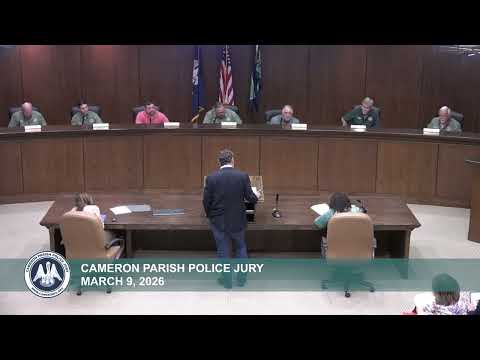
Cameron Parish Police Jury adopts ordinance allowing up to 2% occupancy tax
Summary
The Cameron Parish Police Jury adopted an ordinance authorizing the Cameron Parish Tourist Commission to levy up to 2% occupancy tax on short-term stays and overnight camping, moving provisions into chapter 13 of parish code; commissioners clarified the measure is not retroactive and relies on self-reporting for enforcement.
The Cameron Parish Police Jury voted to adopt revisions to the parish code that authorize the Cameron Parish Tourist Commission to levy an occupancy tax of up to 2% on hotel, motel and overnight camping stays.
The ordinance, moved into chapter 13 (licenses and miscellaneous business regulations), defines overnight camping and recreational vehicles, clarifies a long-term stay exemption for consecutive stays exceeding 29 days, and establishes enforcement steps including notice and a hearing before the police jury. The ordinance text cites Louisiana Revised Statutes provisions referenced during the reading of the measure.
During the public hearing, a local business owner questioned who would monitor compliance and noted that some operators had not historically paid such a tax. Staff and jurors responded that the rule is largely self-reporting, that the proposed text codifies a practice the parish has followed since 1996, and that the ordinance is intended to apply going forward rather than retroactively to past stays or existing grandfathered permits. Commissioners clarified that long-term stays (over 29 consecutive days) are treated as exempt under the new language.
The jury closed the public hearing and adopted the ordinance on a roll-call vote; the motion passed after multiple 'yea' votes and at least one recorded 'nay.' The ordinance gives the parish a mechanism to pursue enforcement actions — ranging from hearings and fines up to $2,500 per violation to potential revocation of occupational or other permits — and requires notice procedures before enforcement is pursued.
Next steps: the parish will codify the ordinance changes in the municipal code and implement procedures for notice and hearings described in the adopted text.