Get Full Government Meeting Transcripts, Videos, & Alerts Forever!
Get email alerts on the Estate Planning topic
No spam. Unsubscribe anytime.
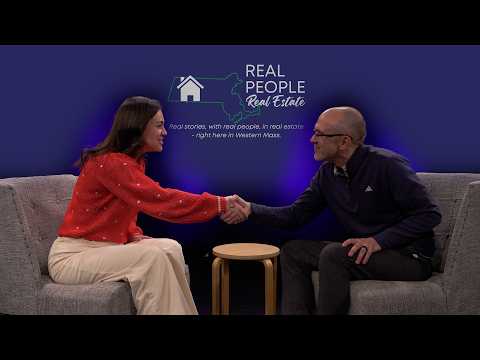
Estate planning basics explained on Real People Real Estate podcast
Summary
Ben Palkowski of Old Colony Law outlined estate planning essentials — wills, trusts, powers of attorney and healthcare proxies — warned about common pitfalls like failing to retitle property to match trust documents, and recommended reviewing plans every five years or after major life changes.
Ben Palkowski, co-owner of Old Colony Law, told listeners on the Real People Real Estate podcast that estate planning arranges for the management and disposition of assets during incapacity and after death. He said the core purpose is to keep decision-making within a client’s chosen circle of loved ones and professionals rather than relying on court processes.
Palkowski described the most commonly used documents: a will to direct disposition of assets and name a personal representative (executor in older terminology), a durable power of attorney to handle financial affairs, and a healthcare proxy to make medical decisions. He said these documents are critical to avoid intrusive, costly court proceedings when someone cannot manage their affairs.
A frequent pitfall Palkowski cited is a mismatch between legal documents and asset titling. "Your documents are a part of the plan, but your assets have to be talking to your legal documents," he said, noting clients sometimes fail to transfer a house into a trust by deed, which can defeat the trust’s purpose.
On tax and thresholds, Palkowski said Massachusetts imposes an estate tax that typically begins at around $2 million in taxable assets, while the federal estate tax exemption is roughly $15 million and indexed for inflation. He emphasized that real estate often constitutes a large share of a person’s taxable estate and that planning should consider both liquid and non-liquid assets.
Palkowski recommended periodic review of plans, suggesting a rule of thumb to revisit documents every five years or after triggering events such as divorce, death in the family, or major health changes. He also described offering initial consultations and spot checks to flag issues such as beneficiary designations and improper asset titling.
The host, Lindsey, and Palkowski discussed practical examples — including using trusts to shield inheritances from potential future divorces of beneficiaries — and stressed that estate planning encompasses both transfer at death and asset management during life. Palkowski encouraged listeners to research the topic, update older plans, and seek guidance when circumstances or laws change.
The podcast episode concluded with thanks to Palkowski and a note that the show will return in a couple of weeks.