Get Full Government Meeting Transcripts, Videos, & Alerts Forever!
Get email alerts on the Healthcare Displacement Gaza topic
No spam. Unsubscribe anytime.
Witness says Gaza patient’s condition worsened after displacement, citing lack of specialists and secure shelter
Summary
A witness said Yahya improved after a year of treatment in Egypt but deteriorated after returning to Gaza and being displaced when the war began, blaming repeated moves, insecure tents without locks and pre-war shortages of rehabilitation specialists.
A witness told a meeting that a patient named Yahya improved following about a year of treatment in Egypt but saw his condition decline after the family returned to Gaza and were displaced when the war began.
The witness said the family left Gaza for treatment and that “we went to Egypt, thank God … after a year of treatment we returned to Gaza.” The witness added that “a week after our return to Gaza the war started,” and that displacement and repeated moves aggravated Yahya’s health.
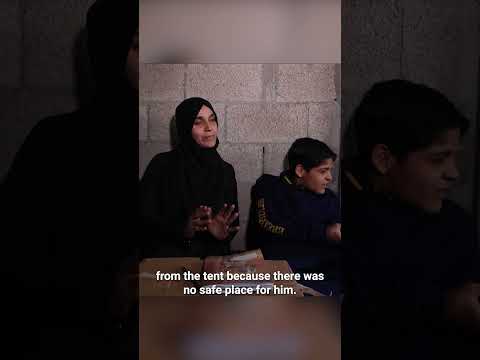
The testimony stressed that shelter conditions contributed to the deterioration: “In the tent he keeps leaving the tent because there are no locks or a safe place,” the witness said, describing tents without secure doors or places to keep a patient sheltered.
The witness also said the difficulties predated the conflict, noting shortages of specialists and rehabilitation centers before the war and saying those gaps have grown worse: “Before the war we already had big problems with specialists, diagnosis and care and rehabilitation centers,” the witness said.
The account focuses on immediate, personal experience rather than particular organizations or officials; the witness did not identify health facilities, agencies, or specific providers by name. No motions or formal actions were recorded in the provided transcript.
The witness’s remarks highlight the combined effects of displacement, insecure shelter and limited specialist services on people with medical and rehabilitation needs during the conflict.