Get Full Government Meeting Transcripts, Videos, & Alerts Forever!
Get email alerts on the Housing And Community Development topic
No spam. Unsubscribe anytime.
Clay County approves CDBG budget amendment to prioritize sidewalks, allocates modest funding for nonprofit capacity
Summary
The board approved a substantial amendment to the county CDBG annual action plan reallocating $1.85 million to sidewalks, $100,000 for nonprofit capacity-building and $150,000 to administration; the allocation prompted a split 3–2 vote and debate about using federal CDBG funds for nonprofit personnel vs. infrastructure.
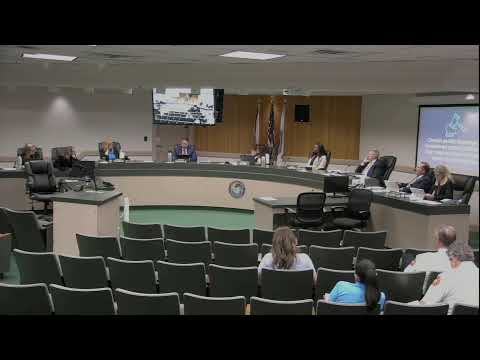
The Clay County Board of County Commissioners approved a substantial amendment to its Community Development Block Grant (CDBG) consolidated plan March 10, reallocating federal CDBG funds to support sidewalks and nonprofit programs.
The amendment reallocates $1.85 million for sidewalk construction projects, $100,000 to two pass-through agreements for nonprofit capacity-building to expand countywide resource access, and $150,000 to administration (including engagement of a consultant to support preparation of the next five-year consolidated plan), grants staff said.
Why it mattered: Supporters argued the funding advances priorities in the county’s strategic initiatives — filling sidewalk gaps in low/moderate-income areas and expanding a vetted resource platform (referred to as “Lynxy”) countywide. Opponents and some commissioners expressed concern about using CDBG to fund nonprofit personnel or ongoing operating expenses rather than direct infrastructure or client-facing services.
Key voices: Impact Clay’s CEO (Thomas) and nonprofit representatives urged funding to expand a vetted, countywide resource platform and host-site training. Commissioner Renegger framed the proposal as implementing recommendations from prior urban-land studies and county strategic plans; other commissioners pushed back on potential funding of nonprofit FTEs and sought assurances the funds would be used for infrastructure and host-site licensing rather than permanent staffing.
Board action: After extended discussion, the board voted to approve the amendment; the vote passed 3–2. Staff said pass-through agreements would be structured with clear deliverables and that administrative funds would largely pay for consultant support and plan development.
Next steps: Staff will finalize pass-through agreements with clear restrictions, proceed with sidewalk procurement on previously bid contracts where applicable, and return with contract language and any required follow-up public hearings.