Get Full Government Meeting Transcripts, Videos, & Alerts Forever!
Get email alerts on the Housing topic
No spam. Unsubscribe anytime.
Las Cruces work session: consultants report a 4,500-unit shortfall for lowest-income renters; council presses on mobile homes and senior needs
Summary
Consultants and city staff told the council a 2024 rental shortfall of about 4,500 units for households earning up to 30% AMI, highlighted strong survey response and concentrated needs for rental assistance and critical repairs, and outlined proposed CDBG/HOME investments and a 30‑day public comment period before HUD submission.
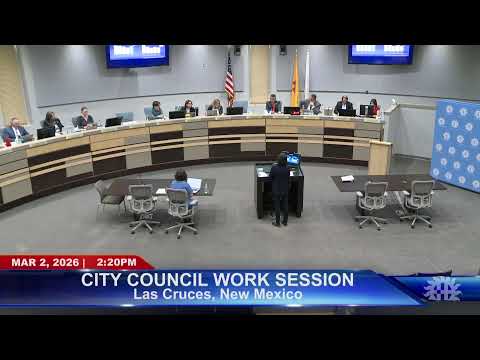
Consultants Avila and Heidi Aguilar presented the draft consolidated and affordable housing plans during a Las Cruces City Council work session, telling council members the city faces a large shortage of deeply affordable rental housing concentrated at the lowest income levels.
The consultants said the housing-needs survey drew nearly 800 responses, about 70% from Las Cruces. "We had a really good response — almost 800 responses. Seventy percent of them lived in Las Cruces," Heidi Aguilar said. Survey respondents included a high share of seniors, residents with disabilities and single‑parent households; more than one‑third reported very low incomes (under $25,000).
Why it matters: the presentation showed a 2024 rental gap of nearly 4,500 units for households earning up to 30% of area median income (AMI) concentrated in the city. Presenters noted vacancy rates are tight (rental vacancy roughly 3.5%, below the ~5% level that allows market churn), so supply constraints plus affordability gaps are driving instability and displacement among the most vulnerable households.
The consultants described needs identified in the survey: rental assistance, money for critical repairs and accessibility modifications (grab bars, ramps, alarms for residents with cognitive disabilities). They also reported that an unusually high share of respondents who were displaced cited job loss or reduced hours — not only rent increases — as the proximate cause of moves.
On funding and program design, staff outlined the draft 2026 proposed distribution of federal CDBG and HOME funds. CDBG would primarily support home rehabilitation, public infrastructure and public facilities, with up to 15% available for public service providers; HOME funds would be used for tenant‑based rental assistance and some homeownership programs. The presentation named Mesilla Valley Community of Hope as a proposed public‑service recipient.
Councilors asked detailed questions about market "filtering" (whether adding high‑end units frees up lower‑cost units), the city’s recent zoning/code changes and the limits of federal funding. Councilor Harris pressed whether more market‑rate development would trickle down to lower rents; presenters said filtering is possible in theory but that many low‑income and precariously housed residents need combined housing plus supportive services, and meeting the 0–30% AMI gap will require subsidies and targeted programs.
Mobile homes drew separate scrutiny. Councilors noted mobile‑home residents often lack access to the same funding and protections as homeowners on foundations. Staff said some CDBG funds can be used for ADA ramps and discussed a potential replacement program for mobile homes, but warned the city would need to assure properly disposal of replaced units and retool underwriting because current home‑rehab loans are secured to property (which differs for mobile homes and parks).
On senior needs, Natalie (city staff) described operating an Emergency Handyman program funded by the city’s general fund to make life‑and‑safety repairs and address heating/cooling needs so seniors can remain in place. "We specifically launched that program using general funds to be able to do emergency repairs for seniors so they can stay in place," Natalie said.
Next steps: staff listed four in‑person public input sessions during the 30‑day comment period, offered a public email/phone contact (Natalie) and said the consolidated plan will be revised as needed and then submitted to HUD by the May 15 deadline. The affordable housing plan (with targeted objectives and proposed ordinance changes) will follow and be used to guide project implementation and developer engagement.
The council’s discussion underscored two consistent points in the presentation: Las Cruces has been producing housing units but the shortage is concentrated at very low AMI levels, and meeting those needs depends on a mix of continued local investment, available federal/state subsidy and programmatic supports for the most vulnerable residents.
The work session moved on to the economic outlook after the housing discussion and later adjourned without votes on housing. Staff said they will return recommended ordinances and program details as the consolidated and affordable housing plans advance through public comment and formal adoption.