Get Full Government Meeting Transcripts, Videos, & Alerts Forever!
Get email alerts on the Data Centers topic
No spam. Unsubscribe anytime.
Residents urge Opelika council to consider protections against data centers
Summary
At the May 5 meeting, three residents urged the Opelika City Council to pursue local protections against large data centers, citing secrecy in rezoning, heavy water and power use, and the fiscal effects of long tax abatements; no council action was recorded.
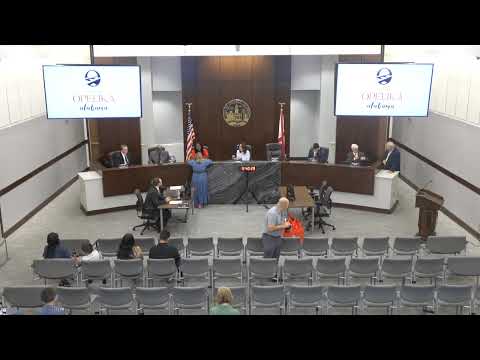
At the May 5 Opelika City Council meeting, three residents used the public-comment period to ask the council to study or adopt local measures to limit or regulate large data centers in and around Opelika.
Allison Kovak, a resident of Renfro, said repeated denials from officials that the city is "working on a data center" have not quieted public concern: "just saying we're not aware doesn't seem like enough to assuage our public concerns," she told the council. Kovak said citizens are watching similar fights in other cities and urged the council to consider preventive approaches.
Sue Ellen, speaking next, cited national coverage and research she said shows communities frequently learn about data centers through quiet rezoning requests and then find themselves outmatched by well-funded developers. She pointed to recent reporting she said documents environmental and fiscal drawbacks and said opposition to data centers had become "the most bipartisan issue since beer."
Dustin Howard said state-level changes should inform local decisions. "Back in March they had a hearing... Senate Bill 265," he said, and described the bill as limiting the maximum exemption period for abatements available to data processing centers to 20 years beginning Jan. 1, 2027. Howard also told the council that large data centers can use "up to 100MW or more of electricity yearly" and that they can impose heavy water demands, and he urged Opelika to avoid making incentive packages "too sweet."
The comments combined environmental concerns (water and power use), fiscal worries tied to long-term tax abatements, and a procedural critique that residents often learn of projects too late in the process. Council members did not announce a response or next steps in the transcript; no council motion or staff directive addressing data centers was recorded during the meeting.
Public comment concluded without recorded council action; if the council considers further steps, such measures would likely appear on a future agenda.