Get Full Government Meeting Transcripts, Videos, & Alerts Forever!
Get email alerts on the Property Maintenance topic
No spam. Unsubscribe anytime.
Plain City reviews new property maintenance code, unveils tool-lending program
Summary
City staff presented a draft property maintenance code that would move enforcement into the building code, clarify common violations and set cure timelines; staff also described a tool-lending program and outreach plan to help residents comply.
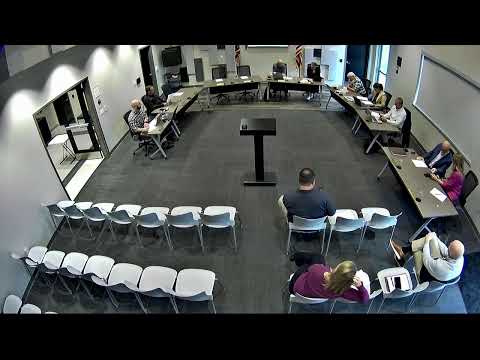
Plain City council on May 6 heard a detailed presentation of a proposed property maintenance code and an associated community tool-lending program intended to support compliance.
Mr. Hudson, who led the presentation, told the council the draft relocates property-maintenance language from the zoning chapter into the building code (chapter 13) and clarifies commonly enforced issues such as tall grass, vehicles parked on lawns, inoperable vehicles, outdoor storage and peeling or chipping paint. “This is going to kind of give us just some backing if we ever have any of those issues,” Mr. Hudson said, describing the code’s role in creating safeguards for nuisance abatements, unsafe structures and vacant properties.
Mr. Hudson said inspections would be conducted from the public right-of-way or from an adjoining property with permission, and that documented violations will be entered into the village’s tracking software and a notice issued to the property owner listing the code sections, a description of the violation and a due date. Notices will include appeal information; Mr. Hudson said appeals would be handled by the EZA and that owners would have a limited time to file an appeal.
Council and staff discussed cure periods tied to the severity of violations: short windows (currently about seven days) for tall grass and similar immediate fixes, and longer windows (typically 30–45 days) for structural repairs. Mr. Hudson said the village intends to use compliance agreements when appropriate so owners can propose realistic timelines for more significant repairs.
On enforcement, Mr. Hudson explained the village’s process for abatement: if the village performs the work it will bill the property owner and, if unpaid, assess fees as a lien on the property. He noted that court fines would be issued through the judge when applicable and that daily fines are possible for continuous violations.
Education and assistance will be emphasized. “Code compliance…is education,” Mr. Hudson said, outlining a proposed outreach strategy that includes DIY videos, brochures, homeowner workshops and volunteer labor programs. As part of that effort he introduced a tool-lending program: the village will store hand and power tools in a shed on village property; residents would reserve tools via an online system, sign a waiver, provide ID, and return equipment in the same condition. Mr. Hudson said the program will favor battery-operated equipment where possible, will label chargers and tools, and will require borrowers to report damage. “This is open to all village residents,” he added.
Staffing was discussed: council members noted that Colin (planning and zoning staff) currently handles complaints and that a new hire is planned to prioritize property maintenance complaints while assisting with zoning and permitting when available.
Council members repeatedly emphasized a phased roll-out focused on education rather than immediate punishment. Mr. Hudson said the intent is to start with outreach and letters before issuing violation notices “day one.” He also outlined interagency coordination for structural issues, which would involve the building and health departments.
Next steps: staff will continue the planning and public outreach and the zoning code removals go to the planning and zoning board for public hearings before returning to council. Adoption timing will depend on those reviews and on hiring the new compliance staff.