Get Full Government Meeting Transcripts, Videos, & Alerts Forever!
Get email alerts on the Zoning And Transportation topic
No spam. Unsubscribe anytime.
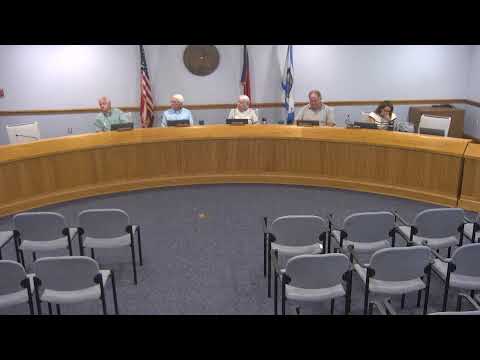
Planning board discusses 'core' district strategy; staff to prioritize near‑term pedestrian and wayfinding projects
Summary
The board reviewed a "cord" (core/corridor) district report recommending zoning and UDO amendments to support walkable mixed‑use development; members asked staff to prioritize near‑term actions the town can implement without downzoning and to plan targeted public engagement on feasible items.
The Planning Board discussed a staff report on the town's core (referred to in materials as the "cord") district and possible Unified Development Ordinance amendments to align zoning with the comprehensive plan's walkable, mixed‑use goals.
Deputy Director Joe Costello presented the report's recommendations: add flexibility for existing businesses, allow group/mixed‑use developments, consider removing some C2 uses deemed incompatible with the core vision (for example automobile repair and car washes), manage building heights and massing, and pursue pedestrian and wayfinding improvements — including sidewalks, crosswalks, kiosks and public‑art installations — to better connect the Whale Bone activity area and the southside node.
Joe summarized recommended actions and tradeoffs and noted legislative barriers to downzoning, saying some changes (removing allowable uses) may require broader legal or intergovernmental processes. Board members urged staff to prioritize items that can be accomplished under current law and to shape any public engagement around concrete options the town can implement now rather than topics that are legally constrained.
Members discussed potential short‑term actions such as targeted wayfinding, improved crosswalks, simple signage to alert motorists to pedestrian activity, and steps to implement parts of the pedestrian plan (including a proposed Lakeside Street sidewalk that is mapped in the pedestrian plan but is not funded in the capital improvement plan). One board member cited recent Southern Living coverage of coastal boardwalks as evidence that boardwalks and soundside attractions can draw visitors and create alternatives to oceanfront tourism.
Staff and board members agreed to return with a prioritized list of action items and suggested a mix of internal work and small public meetings focused on topics the town can change without awaiting any downzoning authority. Any future proposals that would require changing allowable uses would be treated cautiously; staff emphasized the need to define the scope of public input to avoid raising expectations on topics that the town currently cannot enact.