Get Full Government Meeting Transcripts, Videos, & Alerts Forever!
Get email alerts on the Elder Abuse Trauma Informed Care topic
No spam. Unsubscribe anytime.
Presenter urges MDTs to adopt trauma‑informed practices to improve elder‑abuse response
Summary
At an elder‑abuse summit presentation, the speaker outlined six trauma‑informed principles for multidisciplinary teams and recommended practical steps—training, champions, meeting norms and cross‑agency agreements—to reduce retraumatization and improve case outcomes.
A presenter at an elder‑abuse summit urged multidisciplinary teams that handle elder‑abuse cases to adopt trauma‑informed practices, outlining six core principles and practical steps for implementation.
The presenter said their interest in trauma “comes from my research into elder abuse and neglect,” including interviews with adult protective services workers and case reviews, and described a life‑course approach that links earlier abuse to later vulnerability. The presenter cited guidance from the Substance Abuse and Mental Health Services Administration (SAMHSA) in defining trauma and identifying events that may have lasting adverse effects on physical, mental and social functioning.
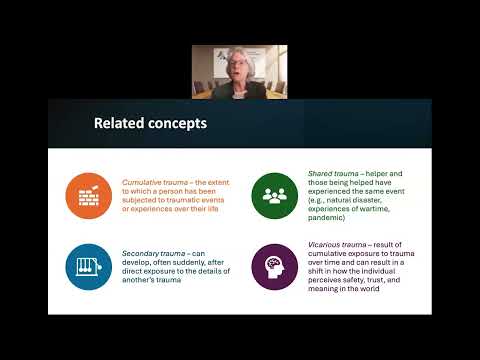
Why it matters: The presenter argued that trauma can complicate disclosure, memory and decision‑making for older adults, and can also affect MDT members through secondary and vicarious trauma. Using a trauma‑informed frame, teams can reduce retraumatization and design responses that preserve victims’ dignity and autonomy.
Core principles and recommended actions: The presenter walked through six SAMHSA‑aligned principles and suggested concrete MDT practices.
- Safety: set meeting communication guidelines, ensure physical accessibility (seating, hearing access) and consider how interventions (for example, clearing hoarded homes) may emotionally affect clients.
- Trustworthiness and transparency: build reliability through consistent attendance and follow‑through; use memoranda of understanding to clarify information‑sharing limits; communicate agency capabilities and confidentiality constraints clearly.
- Peer support: incorporate input from past clients, family members and staff with lived experience to inform planning and help address systemic barriers, such as local agency staffing shortages.
- Collaboration and mutuality: acknowledge power differentials (the presenter cited the DA’s office and APS workers as an example), have members explain their roles at meetings, and consider shared client visits to show coordinated action while minimizing repeated testimony.
- Empowerment, voice and choice: prioritize choices where possible, connect clients and staff to strengths and supports, and be honest about limited options when they exist (for instance, a single available placement).
- Respect for lived experience: develop knowledge of the community served, resist stereotyping, and account for communal or intergenerational trauma that may influence how abuse is perceived and reported.
Examples and evidence: The presenter cited research including the Wisconsin Longitudinal Study and the Adverse Childhood Experiences studies linking early‑life abuse to later vulnerability. A case study described a 92‑year‑old nursing home resident who reported assault by a staff member; the presenter said administrators and responding police treated the report as a “he said, she said” situation and discouraged pressing charges, which further isolated the resident and compounded harm.
On implementation: The presenter recommended starting with attainable steps—training a cohort of leaders, naming a champion, and establishing meeting norms such as opening reminders about respectful language and confidentiality. The presenter said a useful entry point is adopting basic safety practices and building from there.
Audience input and resources: Polling during the session showed collaboration as the principle most commonly implemented by attendees, while trustworthiness, peer support and attention to lived experience were the most difficult to implement. The presenter recommended SAMHSA publications and noted state‑level toolkits and recorded webinars (for example, materials from adult protective services technical assistance centers). A chat contributor, Kristen Berkey, posted a link to an online trauma training.
Next steps: The presenter and Dr. Mesquite planned a deeper discussion on trauma‑informed practices in a follow‑up session the next day. The session adjourned for a short break and will resume at 2:10 p.m., according to the presenter.