Get Full Government Meeting Transcripts, Videos, & Alerts Forever!
Get email alerts on the Public Works topic
No spam. Unsubscribe anytime.
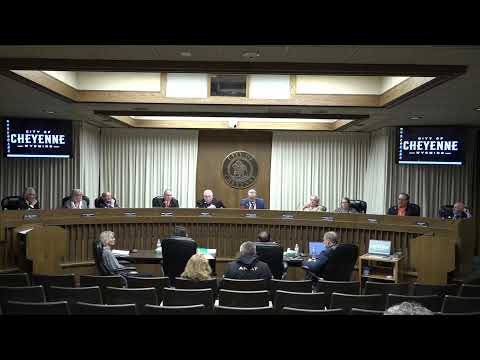
Cheyenne council repeals proposed stormwater user fee while urging state work on a funding solution
Summary
After lengthy debate about infrastructure needs and political reality at the statehouse, the council approved a substitute that removes the proposed local stormwater user fee and sent direction that the issue be pursued with the Wyoming Legislature and via other funding approaches. Several council members warned that infrastructure needs remain and urged further action.
Cheyenne’s council on March 9 adopted a substitute that removes a proposed stormwater user fee the city had been preparing to implement, after a long debate about infrastructure needs, legal exposure and the prospects for state assistance.
Proponents of a local fee argued it would create a dedicated pot of money for repairs and maintenance of detention basins, culverts and urban drainage infrastructure. Opponents said the proposed mechanism faced both legal and political headwinds and that collecting a new fee now could prompt mandatory refunds if the proposal was later overturned. Councilmember Mark Wolf warned that repealing the fee would leave the city without a local funding source to tackle urgent infrastructure problems — from clogged channels to failing culverts — and urged the council to continue funding stormwater work from the city budget.
Several legislators and council members said the issue will move to a legislative interim committee (select water committee) and asked colleagues to support a repeal that would let the legislature consider a statewide framework or supplemental appropriations. After extended discussion the council adopted a substitute that removed the funding mechanism. The ordinance as amended advanced on second reading; two council members voted no on the second‑reading adoption.
What happens next: Staff, the board of public utilities and councilmembers signaled they will continue planning and project prioritization, and pursue state legislative remedies and possible grants. Members warned that critical projects (for example, Dry Creek channel work) remain unfunded and will require other budget choices until a durable funding solution is found.