Get Full Government Meeting Transcripts, Videos, & Alerts Forever!
Get email alerts on the Discovery Management topic
No spam. Unsubscribe anytime.
Penobscot County to seek centralized discovery-management system; commissioners authorize RFP
Summary
The deputy district attorney told commissioners that growing digital evidence and fragmented platforms are causing discovery failures; the board voted unanimously to issue an RFP to identify a discovery-management vendor that integrates body‑cam, cruiser‑cam and file platforms.
The Penobscot County deputy district attorney told county commissioners on May 6 that the district attorney''''''''''''''''''''''''''s office is legally obligated to deliver all evidence in a case but is struggling with a surge of digital material across different platforms. "We are legally obligated, constitutionally obligated to turn over all evidence in a case um to the other side," she said, describing a mix of body cams, cruiser cams, phone dumps and third‑party video that the office currently handles in a patchwork way.
The prosecutor said the lack of a centralized system has produced recurring discovery problems over the last 12 months, from delays to failures that can lead to sanctions or dismissals. She outlined how a discovery‑management platform would automate ingestion from vendors such as WatchGuard and Axon, provide uniform playback and search, allow in‑system flagging when items are missing, and support redaction and exhibit preparation for trial.
The presentation named two firms that previously provided proposals in the county's outreach: NICE (a vendor known for cross‑platform interoperability) and Axon, which the presenter said tends to be more proprietary but remains an option. She also said some vendors offer promotions that reduce first‑year costs and that counties often explore shared arrangements with neighboring offices.
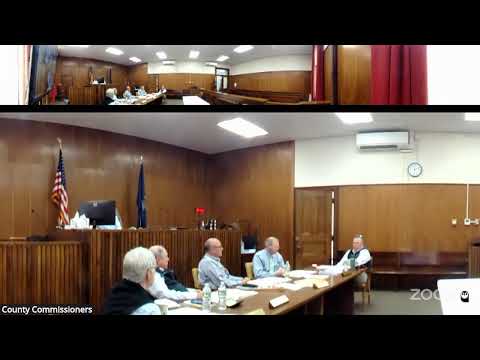
Commissioners discussed timing and funding logistics, including potential cost‑sharing from smaller jurisdictions. One commissioner asked whether an RFP could be issued within 30 days; the board agreed to proceed. The motion to authorize an RFP passed by voice vote and the board directed staff to return with procurement materials and cost estimates.
Why it matters: Discovery failures can materially affect criminal prosecutions and victim outcomes; a centralized, auditable system is intended to reduce risk, speed case processing and ensure that defendants and victims receive consistent access to required materials.
Next steps: County staff will draft the RFP and circulate it to commissioners; the board expects materials and a proposed procurement timeline at a future meeting.