Get Full Government Meeting Transcripts, Videos, & Alerts Forever!
Get email alerts on the Zoning Variances topic
No spam. Unsubscribe anytime.
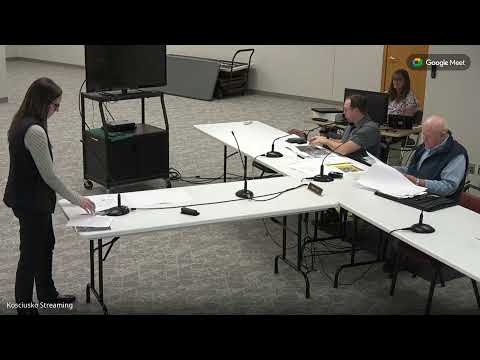
Kosciusko County zoning board approves multiple accessory-structure variances amid neighborsconcerns about notice, septic and traffic
Summary
At a lengthy Kosciusko County zoning hearing, the board approved several variances for waterfront additions, sheds and a pole barn while directing one camper-occupancy case to seek a new permit; neighbors complained about lack of notice, septic placement and potential traffic impacts.
The Kosciusko County zoning board on an unspecified date approved a series of variances and exceptions for accessory structures, waterfront additions and small commercial uses while hearing multiple neighbors raise concerns about legal notices, septic locations and traffic impacts.
Most immediate was a waterfront petition to replace a pavilion and a shed near East Webster. The applicant described restoring structures "very similar to what was there originally" and said a fence would be added to block unauthorized access to the north side of the property. Neighbor Daniel Rowe said the pavilion and shed "doesn't affect our eyeline" and supported the project; the board said the approval would be conditioned on obtaining required permits.
In a separate petition, petitioner Patrick O'Connell asked the board to legalize an as-built pole barn intended for family recreation after contractor and excavation costs grew. O'Connell described building the structure himself to save costs; the item drew neighbor support and proceeded toward approval as presented.
A prolonged public exchange addressed a camper-permit extension. Jeff Russell requested additional time beyond a two-year camper permit to continue living on-site while interior renovations are completed. Russell told the board he had delays in obtaining possession of the property, financing and contractor work. Neighbor Robin Terry said the house across the street had been occupied for four years with little visible progress, raised concerns about a septic tank and about sales activity on the property, and urged stricter enforcement. The board and staff reiterated that the camper permit was limited to two years, that the health department had reviewed the site, and that Russell must file for a new camper permit; staff indicated short additional permission was possible only if the applicant applied promptly and met permit requirements.
Several hearings focused on small sheds and accessory structures in shoreline and rural neighborhoods. Multiple residents said they had not received timely certified notice of compliance issues, leading to surprise at enforcement actions. At least one neighbor proposed a maintenance agreement to allow continued access for shoreline upkeep if variances were granted. Board staff asked petitioners to provide proof of certified notices where required and to work with neighbors on written maintenance agreements when appropriate.
A petitioner proposing to relocate a 20-by-50 building for a fabric-and-gifts retail use drew opposition from residents who said the one-mile-long country road serves primarily homeowners and that any retail use would materially increase traffic. Jacob Clots argued the proposed retail would "increase our traffic on that country road by a large percentage," and another neighbor, Brian Buss, said the road is intentionally quiet. The transcript records the objections; whether the board granted that specific retail exception was not explicitly documented in the hearing record provided.
Other items approved or advanced included a covered deck proposed 6.39 feet from the water on a pre-1975 lot (with neighbor signoffs shown by the petitioner), a series of small shed setbacks where petitioners offered relocation options or safety adjustments, and a request from a business to permit watercraft sales, service and storage with prior conditions carried forward.
What happened next: for items explicitly approved the board noted that standard conditions and required permits must be satisfied; in the camper case the board directed the applicant to apply for a new camper permit and to resolve any health-department concerns. Several neighbors were advised to check with county staff about certified mailing records and to bring proof of notifications if they believe notice procedures were not followed.
Why it matters: the hearing highlights recurring enforcement and process issues for accessory structures and temporary housing in lakeshore and rural areas of Kosciusko Countynotably the county's reliance on certified notice procedures, and the tension between property owners seeking flexibility and neighbors seeking predictable setbacks, septic safety and traffic limits.
The board proceeded through the remaining agenda items and public comments; subsequent procedural steps, permit filings and any formal recorded votes were to be recorded in the county's official minutes and permit files.