Get Full Government Meeting Transcripts, Videos, & Alerts Forever!
Get email alerts on the Tourism Funding topic
No spam. Unsubscribe anytime.
Carmel City Council hears three tourism partners seeking continued funding as council presses for clarity on spending
Summary
The Carmel-by-the-Sea City Council heard presentations from the Chamber of Commerce, Visit Carmel and C Monterey about visitor management and economic benefits. Council members and residents pressed for clearer accounting of how city contributions are spent and for strategies to reduce day‑visitor impacts while protecting local businesses.
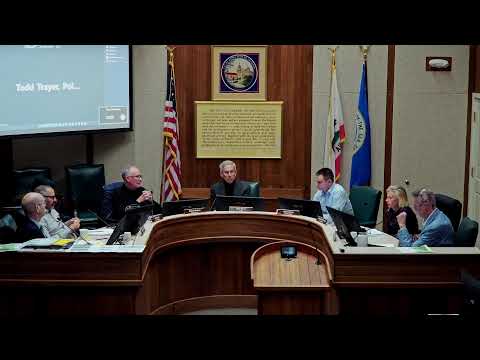
Katie Ania, president of the Carmel Chamber of Commerce, Amy Herszog, executive director of Visit Carmel, and a representative of C Monterey delivered sequential presentations to the Carmel-by-the-Sea City Council on May 5 about how the organizations use city funds to support visitor services, marketing and air‑service initiatives.
The Chamber said city funding supports the visitor center, volunteer staffing and direct business outreach; the Chamber’s leader confirmed the city’s current contribution at $60,000 a year. Visit Carmel’s executive director described a broader marketing effort the organization says helps convert interest into overnight stays and generates hotel room‑tax revenue; she said the city has invested $120,000 annually and offered to reduce a requested contribution this year to $90,000. C Monterey outlined countywide destination marketing and work with the airport to sustain direct flights and larger aircraft into the Monterey area.
Council members and residents pressed presenters to be more transparent about how city dollars are allocated. Council questions focused on whether city funds buy digital media or directly support visitor‑management programs, how advertising is targeted to high‑value overnight visitors rather than day‑trippers, and what metrics the partners use to show that marketing produces hotel stays. At least one councilor asked for a clearer accounting of how the $120,000 cited for Visit Carmel breaks down between digital buys, visitor‑center support and other activity.
Several business owners and event organizers—hoteliers, gallery operators and the airport director among them—spoke during the public comment period in favor of maintaining or renewing city investments. They argued that coordinated marketing and airport service preservation support local employment, sales tax and the viability of year‑round cultural events. Some speakers said recent campaigns materially increased attendance and visitation to events such as the Carmel Art Festival.
Others in the public asked the council to insist on stricter accounting and on targeting that minimizes pressure on residential areas. Council members said they will continue the discussion during the budget workshop and asked staff to return detailed breakouts of how city funds have been used by each partner. The matter will be considered again while the city develops its fiscal 2026–27 budget.