Get Full Government Meeting Transcripts, Videos, & Alerts Forever!
Get email alerts on the Homelessness topic
No spam. Unsubscribe anytime.
Georgetown candidates offer competing plans to address homelessness and public safety
Summary
At a Georgetown Chamber forum, mayoral and council candidates split on whether the town should prioritize stepped-up policing and lighting or coordinated social services and transitional housing to address homelessness and related quality-of-life concerns.
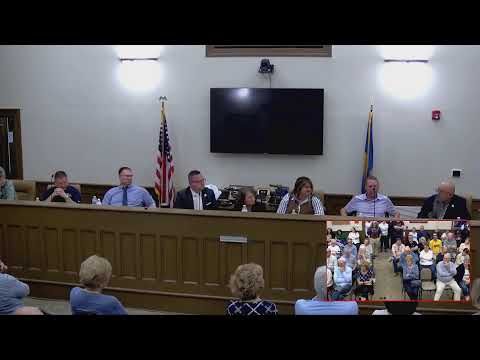
A Georgetown Chamber of Commerce candidate forum on May 14 put homelessness and public safety at the center of the campaign, with candidates offering different mixes of policing, shelter options and coordinated social services.
At the start of the forum, moderator Stephen James framed the first question around balancing “compassion, accountability and community expectations” for residents experiencing homelessness, addiction or mental health challenges. Candidates across seats agreed the issue is urgent but proposed different solutions.
Angela Townsend, a mayoral candidate and former town clerk, said the town’s response needs better coordination: “We need to sit down in a room … and work together” with legislators, the housing task force and nonprofits rather than letting organizations operate “independently of each other.” She urged residents not to give handouts, saying those funds frequently go to drugs or alcohol rather than housing.
Jeff Walker, also running for mayor, focused on enforcement and visibility: he said he would “increase the patrols of the Georgetown PD,” add street lighting and “give them the tools they need to arrest any criminal activity.” Walker described seeking a “humane way” to relocate those who refuse services.
Council candidate Peniel Barrett pointed to staffing as part of the solution: he said the police department had grown from 17 to 24 officers and noted repeat arrests without follow-up leave people back on the streets. “The only way we're going to keep our police officers numbers up is we've got to take care of the homeless,” Barrett said, adding that those who accept help should receive it and those who refuse may need to be removed from town.
Other candidates emphasized services and housing. Itzel Hernandez urged inviting local providers — Recovery Hub, Some Behavioral Health, First State Community Action and La Red — to coordinate care, and stressed the need for state and federal funding to expand services. Michael Briggs recommended distinguishing among three root causes—mental illness, substance use and voluntary homelessness—and creating transitional housing for families, pointing out that current shelters often separate parents from children.
Several candidates criticized the town’s existing “pallet shelter” model. One candidate said the program “hasn’t done what they’re supposed to be doing,” and suggested organizations such as Love INC or Higher Ground could be considered as partners or operators.
Candidates generally agreed that increasing police visibility (foot patrols) and bolstering social-service pathways are not mutually exclusive. The forum closed with candidates reiterating a need for cooperation among the town, nonprofits and state legislators to identify funding and design accountable programs.
The forum concluded without formal decisions; candidates encouraged voters to weigh enforcement and service-oriented approaches ahead of the election.