Get Full Government Meeting Transcripts, Videos, & Alerts Forever!
Get email alerts on the Short Term Rentals topic
No spam. Unsubscribe anytime.
Committee advances omnibus housing bill that preempts many local short‑term rental rules amid pushback
Summary
The House Local Government Committee voted to advance Senate Bill 9 as amended, an omnibus housing package that creates a statewide framework for short‑term rental regulation, enables infrastructure and development districts, clarifies vested rights and standing, permits qualified third‑party inspections, and requires automatic expungement of dismissed eviction filings.
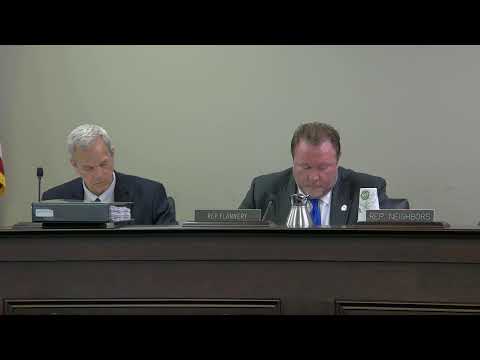
The House Standing Committee on Local Government voted to advance Senate Bill 9 as amended by a committee substitute, moving an omnibus housing package forward despite objections from several members about a provision that broadly preempts local short‑term rental restrictions.
The committee’s action, carried by a 13–1 roll call, sends the package to the House floor after sponsors described it as a combination of measures intended to speed housing production and reduce regulatory barriers. The substitute bundles tools for residential infrastructure and development districts, changes to vested‑rights and appeals, permitting and inspection reforms, lower reporting thresholds for some condominium associations, and tenant protections including automatic expungement for dismissed eviction filings.
Sponsors and content of the bill Senator Robby Mills, joined by Representative Susan Whitten, told the committee the substitute combines several bills the sponsors have worked on to ‘‘get infrastructure in the ground’’ and move housing projects forward. The substitute includes: residential infrastructure development districts (sections 1–6); a housing development district and tax‑rebate tool for localities (section 7); vested‑rights and standing clarifications (sections 8–9); permitting timelines and authority for qualified third‑party inspectors (section 10); lowered condominium reporting thresholds (sections 12–14); administrative regulation cost‑analysis requirements (section 19); and other targeted provisions, including pool/lifeguard rules and low‑voltage battery fencing provisions.
The substitute’s section 18 establishes a statewide framework for short‑term rentals that sponsors said broadly preempts many local restrictions while preserving certain local registration and public‑safety authority. Senator Mills summarized the short‑term rental provisions as prohibiting local ordinances that would: require conditional‑use permits or similar approvals, impose density or spacing caps, ban short‑term rentals in residential zones, limit number of properties an owner may hold, or require owner presence or primary‑residence status. The section nonetheless allows local governments to require registration and to enforce ordinances ‘‘only for the specific primary purposes of public health and safety related to fire, building safety, sanitation, transportation, traffic control, and population control.’’
Key operational details included in the substitute The substitute limits initial and renewal registration fees to $150, sets registration duration at one year with automatic renewal on fee payment, and requires owners to update registration information within 30 business days. An owner operating before a local ordinance’s adoption may continue to operate for 14 days after adoption; a new operator may operate for 30 days after registration. Operating without required registration is a violation and each transaction counts as a separate violation. If a registered property is found, by final order or judgment, to have committed three or more ordinance violations in a calendar year, a local government may revoke the registration for up to one year with notice and a hearing and may then require a conditional‑use permit for that property notwithstanding the general preemption language.
Concerns from members Several members expressed procedural and policy concerns. Representative Rorx said the committee had received the 60‑page committee substitute only about 90 minutes before the meeting and urged more time for review, and he warned the short‑term rental preemption could allow clustering of rentals ‘‘around Churchill Downs for example and UofL’’ and reduce housing supply in urban neighborhoods. He also raised concerns about third‑party inspectors and compressed permitting timelines creating risks to health and safety.
Representative Stalker said the short‑term rental language ‘‘strips away a ton of local control’’ during an ongoing housing crisis and warned that converting existing homes into short‑term rentals can remove inventory from would‑be first‑time buyers; she said she would vote no on the substitute. Representative Donn asked whether the substitute affected ongoing litigation between the travel industry and short‑term rental platforms on tax collection; the sponsor said it did not.
Sponsors’ responses Sponsors defended the package as balancing local authority and statewide consistency while reducing regulatory delays. On third‑party inspections, proponents said the measure limits inspections to the licensed scope and competency of the third‑party inspector and requires comparable certification and licensing levels; they argued the change is intended to relieve overburdened local departments rather than weaken safety oversight.
Vote and next steps The committee advanced Senate Bill 9 as amended by the committee substitute by a roll call that produced 13 yes votes; members provided brief explanations on the record, with at least one member stating a no vote. The committee also adopted a title amendment and adjourned. The bill will proceed to the House floor for further consideration.
Clarifications from the meeting The committee record shows the substitute caps registration fees at $150, sets one‑year registration periods with automatic renewal upon fee payment, requires owners to update registration within 30 business days, allows limited temporary operation windows (14 days for existing operators after ordinance adoption, 30 days after registration for new operators), treats each unregistered transaction as a separate violation, and permits revocation after three or more ordinance violations tied to registration in a calendar year. Representative Whitten described sections 22–26 as requiring automatic expungement of dismissed eviction filings and protecting minors from being listed on eviction cases.
The committee did not make changes on the record to the short‑term rental preemption language; several members said they intend to seek further amendments on the floor or in later consideration.
The committee adjourned after adopting the title amendment.