Get Full Government Meeting Transcripts, Videos, & Alerts Forever!
Get email alerts on the Animal Control topic
No spam. Unsubscribe anytime.
Rescuers ask Lowndes County to back trap‑neuter‑return efforts and prevention funding
Summary
Volunteers and local humane‑society leaders asked the county for funding and coordination to support trap‑neuter‑return (TNR) programs, citing large feral populations, shelter costs and the limits of relying on shelter capacity alone.
Members of local rescue groups urged the Lowndes County Board of Commissioners to provide support and resources for trap‑neuter‑return (TNR) and spay/neuter programs to reduce feral cat populations and shelter burdens.
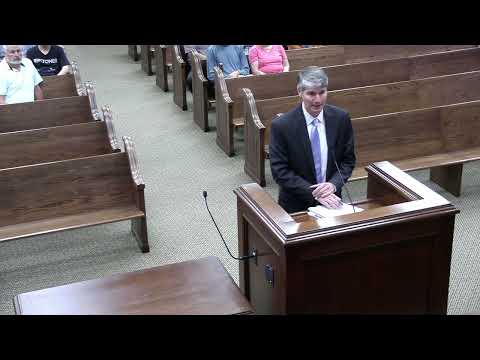
"One unaltered cat and her offspring can produce more than 2,000,000 kittens in just 8 years," Amy Burnham told commissioners, describing nine years of rescue work and more than 1,000 cats removed from reproduction cycles through TNR and rescue efforts. Burnham asked the county to provide veterinary and material support to volunteer groups, saying volunteers currently pay their own costs to trap, care for and manage colonies.
Tara Parker, a volunteer leader and former humane society director, emphasized prevention over expanding shelter capacity and cited programs (including Bissell funding) and examples from other Georgia counties that use vouchers and community partnerships. "If we refocus our efforts on avoiding overpopulation, if we address it where they are, I don't want us to have a bigger shelter," Parker said, and she offered to share model ordinances and data for the county to consider.
Both speakers said volunteer groups already operate TNR sites and asked that the county coordinate resources such as spay/neuter vouchers, veterinary partnerships and assistance with colony management. Commissioners invited speakers to share ordinance samples and other materials with county staff.
Next steps: Speakers offered to meet with county staff and provide ordinance templates and data; the county did not announce new funding at this meeting.