Get Full Government Meeting Transcripts, Videos, & Alerts Forever!
Get email alerts on the Data Centers topic
No spam. Unsubscribe anytime.
Residents urge moratorium and tighter rules for data centers and battery storage in Douglas County
Summary
Dozens of public commenters at the May 6 Douglas County meeting urged commissioners to pause or tightly regulate data centers and large battery energy storage systems, citing concerns about electricity and water demand, tax incentives, long-term decommissioning costs and limited local jobs.
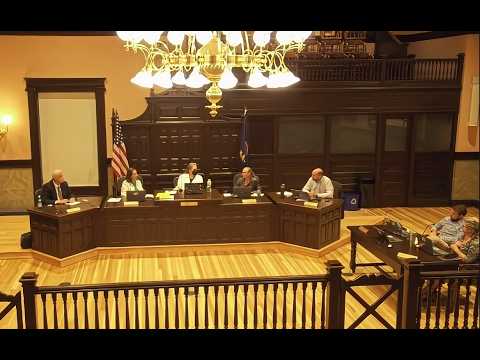
At least a dozen residents told the Douglas County Board of County Commissioners on May 6 that the county should pause or more tightly regulate data centers and large battery energy storage systems (BESS) as the county updates zoning and code provisions.
Speakers described high electricity and water demand, questioned projected local employment gains and warned that long-term community costs may outweigh benefits. "These data centers place significant demands on local water systems," said Galadriel McAdams, a KU urban planning graduate student, urging the board to base decisions on "verified impacts rather than projections." She also cited concerns about long tax-exemption programs under Kansas Senate Bill 98.
Other commenters raised emergency-generation and air-quality concerns, said BESS (lithium-ion) units pose fire and hazard risks, and asked the county to study the cumulative infrastructure impacts before approving special uses on prime farmland. Tim Hamilton, who said he has experience with data center operations, characterized direct permanent jobs as modest and urged transparency around non-disclosure agreements often used in project negotiations.
Several speakers recommended a moratorium while the county finalizes code language and public engagement, pointing to other counties that have instituted temporary bans. Residents also urged strict public review if any conditional use or special permits are considered.
County staff told the board that the zoning diagnostic is an extended, multi-phase process and that staff expects robust public engagement before further code changes are adopted.
The public comments on May 6 added to a record of local concern as the board considers technical updates to the comprehensive plan and continues development of zoning diagnostics and shared code with the City of Lawrence.