Get Full Government Meeting Transcripts, Videos, & Alerts Forever!
Get email alerts on the Municipal Budget topic
No spam. Unsubscribe anytime.
Boston council reviews Streets Cabinet budgets as recycling and snow costs climb
Summary
At a May 4 budget hearing, city officials said the Streets Cabinet’s FY27 operating budget is about $207 million (roughly a 2.8% rise) while the capital plan totals about $1.4 billion, with resurfacing and ramps as major priorities; councilors pushed for timelines and grant status information.
Chair Ben Weber opened a Boston City Council Ways & Means hearing on May 4 to review the FY27 Streets Cabinet operating and capital budgets. Director of Finance and Budget Omar told the committee the cabinet’s operating budget for the current fiscal year is “around $207 million” and the recommended FY27 budget is about a $2 million (roughly 2.8%) increase, driven largely by contractual increases for core services.
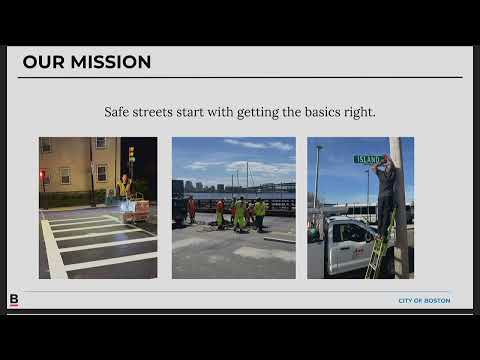
Interim Streets Chief Nick Gove said the cabinet maintains sanitation, snow and ice removal, pothole repairs, resurfacing, pavement markings, streetlight and signal maintenance, and curb‑management enforcement. Gove recounted the city’s response to a historic winter and said the cabinet handled a large 311 workload: “Public works and BPD manage over 200,000 311 cases each year,” a figure officials used to underscore demand for core services.
Officials cautioned that solid waste and recycling costs are rising. Omar said solid waste collection and disposal represent a large portion of the cabinet’s budget — about $72 million — and noted recycling processing costs (about $90 per ton) are volatile because of international market changes. Snow management is budgeted using a five‑year rolling average; staff said the FY27 figure reflects those rules even as final FY26 payments are reconciled.
On the capital side, staff said the Streets cabinet’s FY27 capital plan is roughly $1.4 billion, about one‑third of the city’s cabinet capital spending. Roughly $750 million (about half) is assigned to resurfacing and reconstruction, with bridges and curb ramps the next largest categories. Gove said the plan covers 79 projects and programs and prioritizes state‑of‑good‑repair work.
Councilors used the hearing to press for documentation and timelines. Several members requested a citywide inventory of pedestrian beacons and a neighborhood breakdown, and advocates in public testimony urged the council to withhold final budget approval until staff provide project schedules and monthly Vision Zero (crash) updates.
The committee did not take a vote at the hearing; staff said they will provide the requested grant and project status updates and a capital project dashboard that will publish project‑level timelines and statuses.