Get Full Government Meeting Transcripts, Videos, & Alerts Forever!
Get email alerts on the Solar Development topic
No spam. Unsubscribe anytime.
Pulaski County residents urge moratorium on commercial solar; commissioners ask staff for legal review
Summary
After hours of testimony, residents and one commissioner urged Pulaski County officials to pause new commercial solar development, citing property-value, noise and water concerns. County staff will research legal and contract implications and report back before the board considers a formal moratorium.
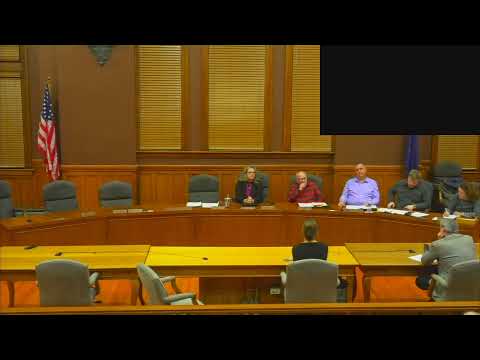
A long-running debate over commercial solar development in Pulaski County intensified at the board of commissioners meeting, where residents and one commissioner called on the board to place a moratorium on new projects.
Commissioner Jenny pressed the point forcefully, saying the county’s ordinance changes from 2022 — which removed a special-exception zoning step and made commercial solar a permitted use on agricultural land — left residents without a voice. “It is an absolute shame what is being allowed to happen to the residents of Pulaski County,” Jenny said, arguing the county should pause approvals while it updates protections such as setbacks and buffer rules.
Why it matters: Residents, several commissioners and staff laid out numbers and local experience that they said show Pulaski County has become an outlier in commercial solar development. The board heard a countywide acreage tally of about 29,258 acres under solar development or lease and testimony that current local setbacks can be as little as 150 feet from property lines — compared with other Indiana counties that use setbacks measured in hundreds or even more than a thousand feet, caps on acreage, or property-value guarantees for neighbors.
Legal and contract limits: Jacob, a county staff member who addressed process and statute, told commissioners a moratorium would follow a statutory process that typically includes sending a formal moratorium ordinance or request to the advisory planning commission (APC) for public hearing and recommendation. He warned a moratorium could affect existing economic development agreements and payment schedules tied to projects, and that the board should expect legal and contractual consequences if it moved hastily.
Public testimony: Dozens of residents urged immediate action during public comment. Sherry Wagner said she was "really, really sorry that we as a county have not protected our citizens," and Rudy De Sabatino, who identified himself as a candidate for commissioner, said he was "100% in favor of moratorium now for the solar." Other speakers described noise, construction impacts, diminished property values and worries about water and health.
Next steps: Commissioners did not pass a moratorium at the meeting. Instead they agreed to ask staff and legal counsel to prepare a memorandum on the statutory process and the potential contractual impacts; Jacob said he would aim to provide answers by Friday. Commissioners indicated they will put a moratorium or ordinance amendments on a future agenda only after receiving that analysis and drafting the language they want the APC to consider.
What was not decided: There was no formal vote to impose a moratorium at the meeting, and no change to existing permits. Commissioners also did not adopt the range of ordinance changes residents requested — rather, they asked staff to research options and to prepare a path forward that would be reviewed publicly.
The board is expected to consider the staff memo and any proposed moratorium wording at an upcoming meeting once the legal and contractual issues are clarified.