Get Full Government Meeting Transcripts, Videos, & Alerts Forever!
Get email alerts on the Capital Improvements topic
No spam. Unsubscribe anytime.
Board revises five‑year capital plan; agrees to move weight‑room expansion to year three
Summary
The Gettysburg Area SD presented a draft five‑year capital improvement program that lists prioritized maintenance and candidate projects; board discussed needs vs wants, asked for cost detail and formed consensus to move the exercise/weight‑room expansion to year three of the plan.
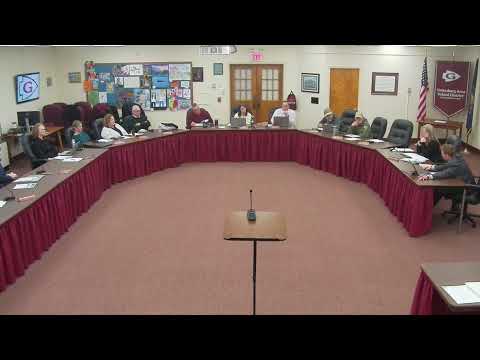
The Gettysburg Area School District reviewed a draft five‑year capital improvement program (CIP) for fiscal years 2627–3031 at its March work/study session and discussed priorities, timelines and estimated costs.
Administration presented a rolling CIP that includes recurring maintenance (parking lot sealing and striping), resurfacing the original high‑school running track (estimated $90,000 to resurface vs. about $500,000 for full replacement), campus LED message signs (roughly $40,000 each), a concession‑hood and exhaust system for Warrior Stadium (~$50,000), and a larger fieldhouse/weight‑room/waiting‑room concept listed in the draft's FIP items (roughly $1.2 million in the document). The plan uses an annual capital‑transfer placeholder (currently $1 million in the proposed budget) to fund near‑term projects while allowing the board to reprioritize year to year.
"If you don't do this kind of work you push the road down and now you're repaving the whole parking lot," Kevin, the facilities lead, said, explaining why periodic sealing is cost‑effective. He described gym issues such as failing hoist mechanisms for ceiling‑mounted basketball hoops, deteriorating wall padding and bleacher adjustments to reduce safety risks.
Board members asked whether listed items are needs or wants. Justine and others questioned non‑safety items such as the concession kitchen hood and two LED message signs at a time of budget pressure; several members noted resurfacing can prevent a more costly full replacement later. After discussion the board formed a consensus to move the exercise/weight‑room expansion from the "items for discussion" list into year three of the five‑year plan so administration can pursue estimates and timing while preserving near‑term capital flexibility.
Administration also explained procurement mechanics: the CIP is a planning document, not a final authorization to build; individual projects above bid thresholds will return for contract approval after design and bidding. For one active example, administration recommended rejecting previously approved bids for the Warrior Stadium team‑room project (the bids have expired) so the project may be rebid; that rejection will appear as an action item at the next meeting.
What’s next: administration will update the CIP to reflect the board’s direction (exercise/weight‑room moved to year three), refine cost estimates for items identified for potential near‑term work and return the revised CIP and any necessary bid/rejection action items to the next regular meeting for formal action.