Get Full Government Meeting Transcripts, Videos, & Alerts Forever!
Get email alerts on the Property Valuation Protests topic
No spam. Unsubscribe anytime.
York County board hears widespread property valuation protests over large assessment increases
Summary
At a York County Board of Equalization session, dozens of residents protested sharp assessment increases and data errors — citing culvert damage, misclassified acres, moved‑house construction dates, and inspection mistakes — while the assessor recommended many adjustments; the board made no final rulings and will continue reviews before the July deadline.
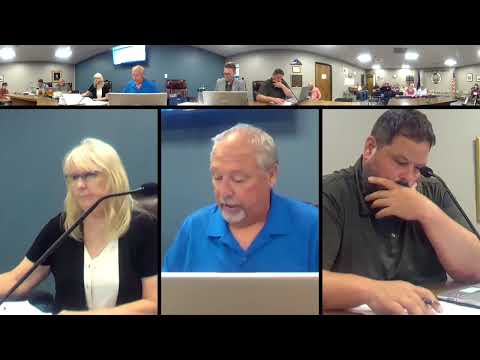
The York County Board of Equalization spent the day hearing a series of property valuation protests from residents who said recent assessment increases were excessive or the product of clerical or classification errors.
Kurt, the county assessor, told the board he had emailed recommended adjustments to many taxpayers and was continuing to work with the property tax administrator on countywide equalization issues, including possible spreadsheet adjustments tied to the older (2008) and newer (2020) valuation manuals. "Everyone's entitled to their due process on anything," he said, and asked for time to confirm how state adjustments would affect notices and protest rights.
Among the complaints, Bill Dunovan urged the board to lower his assessment until the county repairs a plugged culvert that he said clogged drainage and deposited silt on his driveway, diminishing the property's saleability. "There's really no point in raising the property value and charging us more when part of the county's infrastructure is the reason for a property becoming a very low sale value," Dunovan said.
Other taxpayers reported data or classification errors. Jason Kubach said an extra acre at his address was misclassified as a "farm site" rather than pasture and demanded to know "why it got switched and who switched it," while David Helzel argued his house — moved to York County and reconstructed on a new foundation — was recorded with the wrong construction date, inflating taxes for years.
Several residents raised neighborhood or nuisance concerns that they said reduce marketability: Keith Hoffman complained of year‑round noise and odor from a nearby pheasant operation, and Henry Ronald Falls asked the board to reconsider a roughly 300% increase on a vacant lot that lacks street, sewer and water and has no imminent development potential.
Assessor recommendations trimmed many of the headline increases during the hearing. For example, in individual cases the assessor proposed reductions from initially posted figures to lower recommended values (examples discussed individually in hearings). The assessor and staff also explained a 23% market adjustment applied to improvements in some rural residential segments to bring parcels into an acceptable appraisal range and said they were correcting grading and square‑footage entries where errors were found.
Several taxpayers said they would accept assessor recommendations sent by email; others withheld acceptance pending further documentation. Board members and staff repeatedly told taxpayers that acceptance of a recommendation could affect their ability to pursue further appeal options, but the assessor clarified that taxpayers may still file a separate state appeal (referred to in the hearing as "Turk").
No formal decisions were reached on most protests at this session. The board noted it has until July 25 to conclude protests and said remaining cases would be carried forward to later hearings; the meeting recessed for lunch and planned to resume at 1:30 p.m.
The board approved routine business early in the meeting — minutes and the agenda — by roll call before beginning protests. The assessor and clerk agreed to collect contact details from taxpayers who requested follow‑up on clerical or classification questions so staff could investigate and report back.
The board is expected to continue handling outstanding protests in subsequent sessions before the statutory deadline; taxpayers who remain dissatisfied were told how to seek further review.