Get Full Government Meeting Transcripts, Videos, & Alerts Forever!
Get email alerts on the Governance topic
No spam. Unsubscribe anytime.
Board adopts narrower debate rules in 3–2 vote after months of debate
Summary
The Temecula Valley Unified Board adopted amendments to its parliamentary bylaw that limit member debate under specified conditions; trustees and public commenters warned the change could undermine Robert’s Rules protections, and the vote passed 3–2 after competing amendments.
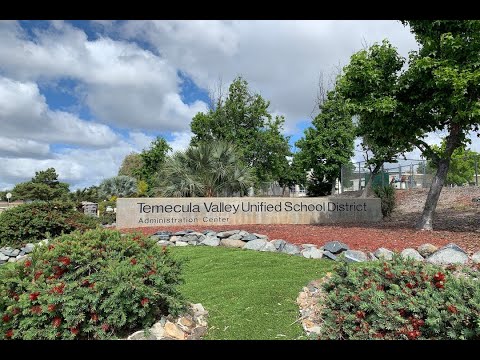
The Temecula Valley Unified School District board on Feb. 24 adopted changes to its parliamentary bylaws that give the presiding officer conditional authority to limit member debate in certain circumstances, a move that drew weeks of public criticism and a 3–2 split among trustees.
Public commenters had urged caution before the vote, arguing the language could allow a single official to curtail deliberations that protect minority viewpoints. One longtime attendee told the board that limiting debate “requires a motion, a second and two‑thirds vote of the body,” and warned the change would shift authority to the president. Trustees exchanged amendments on the floor, with one proposing the compromise language: “the board president’s procedural rulings shall stand unless overruled by a majority vote of the board.” That amendment was discussed during debate but did not prevent the underlying bylaw changes from being adopted.
Board supporters said the revisions respond to repeated meeting disruptions and are intended to help meetings conclude in a reasonable time. Trustees who opposed the measure argued it risks inconsistent application of procedure and may violate established parliamentary norms that protect minority rights.
The vote was recorded as adopted 3–2. Trustees who voted in favor said they will monitor how the rule works in practice and that the body can revisit the bylaw if it produces unintended consequences. Trustees who voted no said they may seek external review of the policy’s consistency with the district’s existing bylaws and state law.
The board took the action during the open session after an extended public comment period and trustee debate. No immediate legal challenge was announced; several members of the public urged the board to provide clearer guidance and to allow more time for staff and legal review before finalizing procedural rules.