Get Full Government Meeting Transcripts, Videos, & Alerts Forever!
Get email alerts on the Public Safety topic
No spam. Unsubscribe anytime.
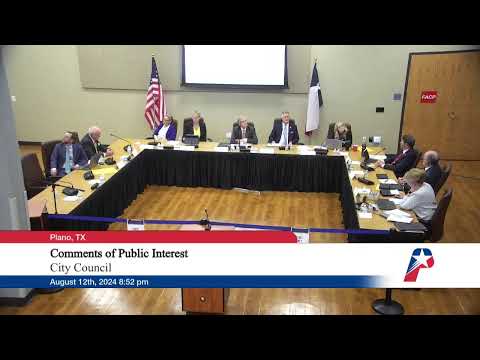
Council denies $888,246 traffic‑calming study, members say budget timing is poor
Summary
Council voted to deny an $888,246 engineering contract to develop a neighborhood traffic‑calming prioritization process, with critics citing budget constraints and alternatives such as police enforcement and temporary speed trailers.
Council considered Item I, a professional services agreement for engineering to develop a neighborhood traffic‑calming prioritization process (project TPS‑0017) with an estimated contract amount of $888,246.
Caleb Dill, director of engineering, explained the contract’s purpose: “This is a professional service agreement with the consultant. This is to develop…the ability to prioritize our neighborhood traffic‑calming requests we receive about two to three per month,” he said, adding the contract would create criteria to rank and evaluate requests and guide future implementation.
Council members asked whether existing tools such as temporary radar trailers or police traffic units could address immediate complaints and whether the study was the right expenditure during a tight budget year. Council member Prince explicitly opposed the timing, saying the city should prioritize compensation and core services, and moved to deny the contract. Other members echoed concerns about cost and timing.
The motion to deny Item I passed; Council removed the contract authorization from the consent calendar and directed staff to continue addressing immediate traffic concerns through existing measures where practical.
Staff said the product of the contract would have been a multi‑phase program: a formal prioritization criterion, then design contracts and construction of targeted improvements in subsequent phases; without the contract, the city retains temporary options (speed trailers, PD response) and may later return with a narrower or differently timed proposal.