Get Full Government Meeting Transcripts, Videos, & Alerts Forever!
Get email alerts on the Economic Development topic
No spam. Unsubscribe anytime.
Consultants say Legacy/Granite Park needs more walkability, flexible uses and event space to adapt to changing office market
Summary
A consultant summary presented to the Plano City Council found high vacancy in older office stock in Legacy/Granite Park and recommended flexible zoning, more walkability, mixed‑use infill, conference/event space and incentives to retain employers.
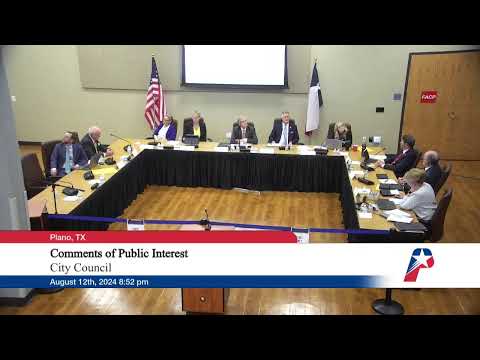
Wendy Benau, an urban planner with Freese and Nichols, told the City Council the firm surveyed 18 companies and about 28 individuals in the Legacy/Granite Park business district to gauge property‑owner sentiment.
“We engaged Freese and Nichols to go out and do some surveying for us and really capture the sentiment of the business park,” Benau said. The consulting team reported over 50% participation among landowners and a mix of interviews and an online survey.
The presentation said Legacy remains a premier business location but faces a surplus of older office space and subdued private capital for office renovations. Key findings included strong demand for top‑tier (Class A+/A++) office space, pressure from hybrid work on parking and office needs, and widespread interest in activating the area with nightlife and weekend programming.
Consultants recommended several city priorities: increase walkability and pedestrian connections in targeted subareas; enable flexible land uses through the forthcoming zoning/code rewrite so obsolete offices can be repurposed (for example, life science or mixed‑use); encourage event and conference venues and additional hotel capacity to host large corporate gatherings; and consider incentives and streamlined permitting to reduce regulatory delays.
David Jones, project manager for the study, said walkability emerged repeatedly. “Densifying and adding mixed use, adding residential to close gaps” would help create a sustained street‑level population that supports restaurants and events, he said.
Council members asked about geographic variation in the findings and ranking of priorities. Benau said the team mapped each respondent’s location and can supply the raw survey and slide deck; staff said they would follow up with owners and provide the Council the full dataset and the consultant PowerPoint.
Next steps outlined by staff included follow‑up outreach to participating companies, incorporating takeaways into the city’s zoning‑rewrite process, and a high‑level assessment of existing conditions in the coming fiscal year that could inform a potential master plan and later funding decisions.