Get Full Government Meeting Transcripts, Videos, & Alerts Forever!
Get email alerts on the Arts Funding topic
No spam. Unsubscribe anytime.
Parents, boosters warn Poway Unified against using Prop 28 funds to replace instrument repair budget
Summary
Multiple parents and booster representatives told the board they were told the district plans to shift instrument repair costs onto Prop 28/AMS block grant money, raising legal and equity concerns; district finance staff said Prop 28 allocations are site‑based and carryover rules apply and confirmed a $650,000 line for instrument purchases.
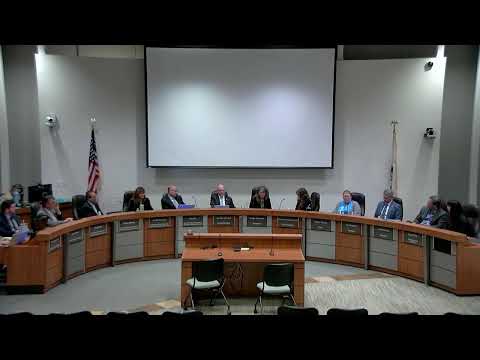
A series of public comments at the Poway Unified School District board meeting on June 5 focused on perceived threats to music programs after parents and boosters said district staff proposed using Prop 28 or AMS discretionary funds to cover instrument repairs and other district obligations.
Parent speakers representing booster clubs and music programs said the district’s reported plan to redirect arts block grant funds would supplant existing district repair budgets and could violate state law. “This is potentially illegal and violates principles of equity and transparency,” said Aaron Finley, who cited California Education Code language that he said requires Prop 28 funds to “supplement, not supplant.”
Several speakers described immediate program impacts: delayed or unfulfilled instrument orders, worn‑out instruments held together with tape, and uncertainty about whether the second half of previously approved block grants would be executed. One parent said sousaphones costing roughly $10,000 each were included in earlier orders that had not arrived and that boosters cannot absorb a sudden $50,000 replacement bill.
District finance director Eric Dill responded in the meeting by identifying a contract line in the current materials report tied to the Arts and Music Instructional Materials discretionary block grant and confirming the district planned instrument purchases as part of that program. Dill said the district has site‑level allocations and carryover rules and that many instruments are funded through those restricted sources; he reiterated that the district understands audit rules and that staff are monitoring allocations and compliance. “We are planning to purchase the instruments… we have plans for spending up to $650,000 to purchase instruments,” Mr. Dill said during the consent‑calendar discussion.
Why it matters: Prop 28 (the state arts funding initiative for schools) directs funds to expand arts access but contains specific restrictions intended to keep the dollars supplemental. Parents and boosters said shifting maintenance or repair costs to Prop 28 could reduce funds for new programming and place heavier burdens on already stretched booster organizations.
Evidence and claims: Parents referenced statutory language and local examples (delayed deliveries, district communication gaps). District staff pointed to site allocations, carryover balances and the structure of the AMS discretionary block grant as reasons their approach is defensible; staff also noted they are required to demonstrate they have increased arts spending relative to a baseline.
Board and staff response: Trustees requested more district transparency about budgets and asked for itemized information on the instrument repair reserve and the status of outstanding orders. Several trustees urged staff to provide clearer site‑by‑site spending plans for the Prop 28 allocations to avoid misunderstandings and potential audit exposure.
Ending: The dispute will likely continue as the district prepares the proposed budget and staff promised to return with more detail on instrument orders, site carryovers, and how Prop 28 funds are being spent. Parents and booster club leaders indicated they may pursue further action if they believe statutory restrictions have been violated.