Get Full Government Meeting Transcripts, Videos, & Alerts Forever!
Get email alerts on the K 12 Education Budget topic
No spam. Unsubscribe anytime.
Fall River School Committee hears FY27 budget presentation; members press for more transparency and question paraprofessional cuts
Summary
Acting Superintendent Brian Raposa and CFO Kevin Almeida presented a FY27 operating budget that shows required net school spending of $297,582,870 and a per-pupil foundation of $22,474; school committee members urged a longer review timeline, asked for fiscal forecasting and objected to proposed reductions in paraprofessionals.
Acting Superintendent Brian Raposa and Chief Financial Officer Kevin Almeida presented the Fall River Public Schools’ proposed fiscal year 2027 operating budget at a special meeting on March 25, 2026, outlining a required net school spending figure of $297,582,870 and a foundation-per-pupil amount listed at $22,474.
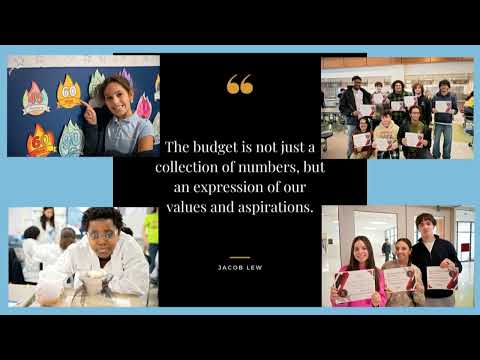
The presentation framed the budget around four priorities—strong teaching and learning, safe and healthy schools, recruitment and retention, and supports for historically marginalized students—and noted FY27 is the final year of the Student Opportunity Act funding stream. Raposa summarized the district’s planning as a process focused on student need, calling the budget a “living document” that must adapt to enrollment, funding and expense changes.
Why this matters: Committee members and the Fall River Educators Association said the compressed schedule does not provide adequate time for review and public engagement before a vote scheduled for April 15. Keith Michon, president of the Fall River Educators Association, told the panel, “the budget is a moral document,” and urged more opportunities for community input before final decisions.
Key figures and proposals from the presentation included a reported $23.6 million increase in required net school spending from last year, a roughly $250.5 million Chapter 70 (state aid) figure, and a city contribution described in materials as about $47 million. Presenters described a gross transportation budget of about $17.07 million and a net operating transportation appropriation of roughly $13.85 million after expected reimbursements (the presentation cited a circuit breaker reimbursement of $1,816,652 and an anticipated McKinney-Vento reimbursement).
The administration outlined proposed staffing changes on the operating side: five added positions in FREA unit A, 13 in unit B, an increase of five positions in FREA and four in AFSCME, a decrease of one SNN position, and an overall net proposed operating increase of 15 positions. The presentation also noted a proposed reduction of 11 paraprofessional positions and that many paraprofessional roles are currently unfilled.
Committee members pressed for follow-up materials and clarifications. Mr. Dias asked for the district’s internal fiscal forecast to support multi-year planning for the strategic plan; the administration agreed to provide additional forecasting and an itemized list of changes made since earlier private meetings. Ms. Riley said she “never want[s] to see a minimum net school budget again” and asked for a slide showing how the proposed budget would affect class size—particularly in early grades—and for a one‑page summary tying budget moves to academic outcomes.
Several members raised transparency issues tied to the board’s DESE review: members wanted clearer budget-book templates, more narrative, and easier navigation of school-level requests. Administrators said the binder includes executive summaries, org charts, school presentations, and consolidated lists of grant-funded and revolving fund positions and that they are exploring an electronic platform to reduce manual work and improve accessibility.
On funding risks, members warned FY27 is the last year of Student Opportunity Act funding and noted that circuit breaker and other reimbursements are not fully funded; presenters said circuit breaker reimbursement for transportation was just over 61%. Members also raised concerns that municipal rebates and reimbursements (discussed later in the meeting) affect the practical baseline for what counts as 100% net school spending.
What’s next: The committee has additional meetings scheduled (a Monday meeting and a Wednesday discussion) and a public hearing and vote on April 15. Administrators committed to providing an itemized list of recent changes, a fiscal forecast to inform strategic planning, and other requested one‑page explanations before the next meetings.
Ending: The presentation closed with committee questions and requests for follow-up documentation; no final votes on the budget were taken at the March 25 meeting.