Get Full Government Meeting Transcripts, Videos, & Alerts Forever!
Get email alerts on the Early Literacy topic
No spam. Unsubscribe anytime.
Lodi School staff highlight early-literacy supports, attendance work and community events
Summary
Teachers and counselors described a push on early-literacy interventions (UFLI and letter-tracing), an attendance intervention system with tiered outreach, and community-building activities including a school-forest planting and a Lodi Pride fundraiser; staff reported a school newsletter reached 106 community members.
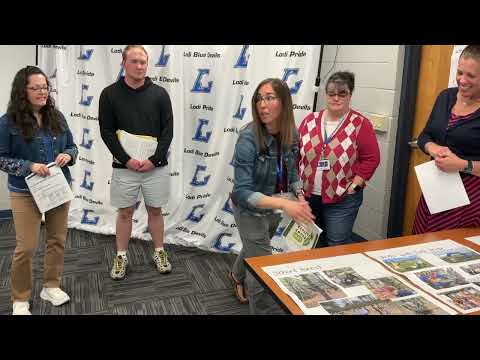
Teacher and school leaders at a Lodi School District presentation described a package of classroom, family and community strategies aimed at improving early literacy, attendance and family engagement.
Presenters said the district uses UFLI-based interventions in kindergarten through second grade, paired with home practice packets and letter-tracing in K. A kindergarten teacher (Teacher, speaker 6) described classroom drills that build alphabet fluency and decoding practice using consonant‑vowel‑consonant words; this week’s focus was on short "o" and short "i" sounds. The teacher said the class emphasized perseverance, quoting a classroom prompt: "it is okay to make mistakes," and described a writing exercise in which students recalled times they had to try repeatedly to learn a skill.
School leaders framed the literacy work as part of a larger goal: reaching 90 percent proficiency or advanced on the i‑Ready reading assessment next year. The team said a pilot literacy rollout will be supported by a staff professional-development session and a "look‑for" document to clarify classroom priorities; one staff member (Presenter, speaker 1) credited a colleague named Nick with helping prepare those teacher-facing materials.
On attendance, district staff described a multi-step monitoring system. One presenter summarized the practice: weekly data pulls into a spreadsheet, reminder letters at earlier thresholds (first notice at about five days, then at eight days and at 10 days), and outreach by staff to schedule attendance meetings when absences accumulate. The presenters reported an attendance metric described in the presentation as "LES OIC attendance rate is 96%"; the transcript does not define the term "LES OIC." Staff noted the school uses home outreach and, for students with complex needs, connects families to counseling supports.
Presenters also highlighted community-building activities that they said reinforce social and emotional learning: a recent school forest tree‑planting where students practiced stewardship and a Lodi Pride fundraiser that included costumed staff, decorated lunches and student incentives. The school has started a family newsletter (sent by staff once a semester) that the presenters said has been viewed by 106 community members; the newsletter includes registration and program information and an article by "Doctor Breining," as noted in the presentation.
School staff said these classroom and family‑engagement strategies are meant to extend instruction beyond the school day and increase community ties; they stressed that the interventions are layered (tier 1 classroom instruction plus targeted supports) and paired with outreach when attendance or learning gaps appear.
The presentation closed with staff inviting questions and noting plans to continue the literacy pilot and community-engagement efforts into the coming school year.