Get Full Government Meeting Transcripts, Videos, & Alerts Forever!
Get email alerts on the Data Centers Local Policy topic
No spam. Unsubscribe anytime.
Experts urge Baltimore County to set noise, water and closure safeguards as data-center proposals grow
Summary
Advocates told county staff that local rules should require noise limits, water-use rules, battery and e‑waste recycling, guaranteed new emission‑free power and escrow accounts to cover possible future site closures as data centers expand in Maryland.
Dave Art and Faith Clarage, presenters from the Maryland Coalition to Reform Data Centers, urged Baltimore County staff to adopt a suite of local safeguards for incoming data‑center proposals, citing air, water and long‑term land‑use risks.
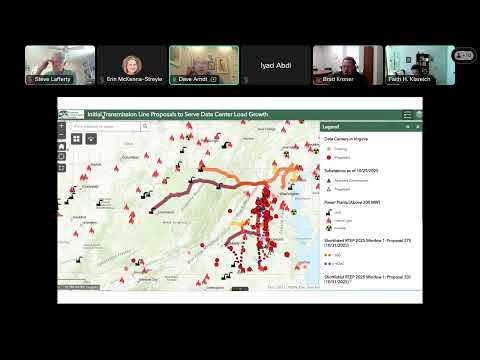
"That's about four to five times the electricity use of the city of Baltimore," Art said of a multi‑gigawatt proposal at Frederick County's former Alcoa site, illustrating the scale of potential local and regional power demand. He and Clarage described data centers as sites with large cooling systems, rail‑car‑sized diesel backup generators, fuel storage and new transmission connections.
Why it matters: Presenters said local authorities will still face the consequences of cumulative pollution, noise and water consumption even though much energy and transmission planning falls to state and regional entities. They highlighted Maryland Department of the Environment (MDE) site‑by‑site permitting for diesel generators and warned there is currently no straightforward process to assess cumulative emissions when many generators on one campus run or are tested concurrently.
Details and recommendations: Art and Clarage recommended measures Baltimore County should consider, including: clear noise limits measured at property and campus boundaries; setback requirements that keep large facilities away from residential zones; explicit rules governing water sources (county water, wells, or recycled water) and priority during drought; requirements for 100% e‑waste and battery recycling; and escrow accounts or financial assurances to cover future site‑closure or remediation costs if speculation leaves large buildings abandoned.
Clarage emphasized that abatement strategies must address both building‑level and campus‑level property lines when multiple data centers cluster on a single site. She also flagged alternatives to diesel backup—battery storage and fuel cells—that can reduce local air and noise impacts if they are part of project proposals.
State context: Art noted recent state actions shaping the landscape: a legislatively ordered data‑center study survived a gubernatorial veto after the legislature overrode it; the study is due in September. He also described the passage of HB 1532, which incentivizes voluntary non‑emitting demand response for large electricity users and establishes a registry, and a proposed Data Center Planning and Transparency Act that would require operators to submit local reports. Art said these state actions and Public Service Commission rulemaking will influence how counties structure local requirements.
What was not decided: The session included Q&A but no formal votes. Presenters said counties can pursue moratoria, higher local standards, and public‑benefit conditions but cautioned that some decisions—such as transmission siting and broader electricity market rules—remain outside local control.
Next steps: Presenters said their slides and the coalition's materials will be shared with attendees; the statewide study (due in September) and upcoming PSC rulemaking are expected to provide additional technical details that county staff can use when drafting local ordinances or requirements.