Get Full Government Meeting Transcripts, Videos, & Alerts Forever!
Get email alerts on the Veteran Services topic
No spam. Unsubscribe anytime.
Veteran service officer reports surge in claims, housing work and focus on veteran suicide prevention
Summary
County veteran service officer Aaron said his office rose to 3.0 FTE and handled more than 8,000 interactions in 2025. He described PACT Act-driven increases in claims and retroactive payments, efforts to expand surviving-spouse (DIC) benefits outreach, partnerships to support veteran housing, and suicide-prevention work after seven veteran suicides were recorded in the county in 2025.
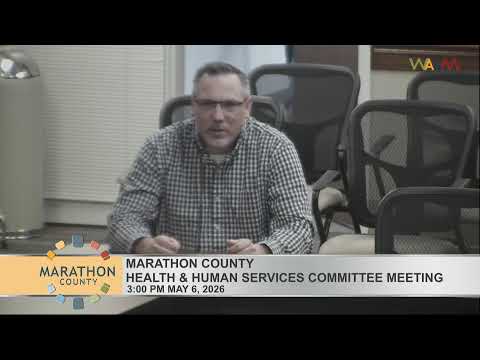
Aaron, the county’s veteran service officer, briefed the Health & Human Services Committee on recent trends and priorities for the Veteran Service Office (VSO). He said the office increased to 3.0 FTE and that caseloads rose: 2025 interactions (appointments, calls and emails) totaled about 8,149. He attributed substantial increases in claims and retroactive payments to implementation of the PACT Act and related federal changes.
Aaron described outreach on Dependents’ Indemnity Compensation (DIC) for surviving spouses, including examples of monthly payments (participant figures cited in presentation: about $1,800 to $2,400 in certain circumstances). He highlighted partnerships with the Center for Veterans Issues and HUDVASH-related providers to address veteran housing and rapid rehousing, and said the county is now the furthest-west county served by the Center for Veterans Issues, which has placed staff locally to help prevent homelessness among veterans.
On suicide prevention, Aaron said Marathon County recorded 30 suicides in 2025, seven of which were veterans; he said the VSO is exploring grants (including VA suicide-prevention grants) and peer-support models to expand prevention work. He also described intercounty coordination: VSOs routinely refer cases to one another and use common tools such as VetPro, and state statute requires each county to maintain a VSO, which tends to preserve county-level service continuity.
Supervisors asked about regional coordination and staffing; Aaron said many offices statewide remain understaffed but that his office has taken steps to reserve drop-in capacity, limit daily scheduled appointments and triage urgent calls; he said appeals work can take multiple hours of research per case. Aaron concluded that while the office is busy, it has reduced wait times and continues to push for adequate resources.