Get Full Government Meeting Transcripts, Videos, & Alerts Forever!
Get email alerts on the Work Plan topic
No spam. Unsubscribe anytime.
Healthy Buildings Accountability Board adopts work plan, assigns project leads for equity‑prioritized building rules
Summary
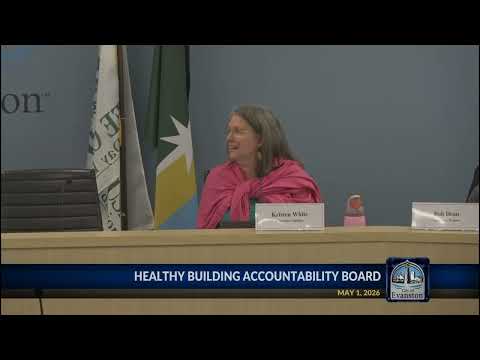
At its May 1 meeting in Evanston, the Healthy Buildings Accountability Board agreed to a three‑part work plan to define equity‑prioritized building categories, benefits/support levels and the application/review process, and assigned project leads and support roles to advance draft rules for City Council review in 2027.
The Healthy Buildings Accountability Board met May 1 in Evanston and agreed on a structured work plan to move from broad goals to vote‑ready recommendations for equity‑prioritized building (EPB) rules.
Board members settled on three primary project streams: defining EPB categories and eligibility; identifying benefits and support levels for EPBs; and designing the application, city review and priority designation process. The board said each stream will have project leads responsible for producing research, coordinating with the technical committee and bringing draft recommendations back to the full board for approval.
The board discussed an organizational approach that separates “rows” (topic leads who act as project managers) from “columns” (research, constituent engagement, HBTC coordination, and facilitation). The group emphasized horizontal and vertical coordination to avoid fragmented outreach or mixed messages to stakeholders, and agreed that lead teams should surface the specific questions and data they need before drafting rules.
Members identified volunteers for the roles discussed: project leads for EPB categories and eligibility, benefits/support and application/process, and a set of supporting leads for research and constituent engagement. The board committed to a shared planning template that project leads will populate with benchmarks and timelines; that template will be compiled by the administrative lead and circulated before the next meeting.
Board members also discussed timing for deliverables. One timeline put draft deliverables from the board ahead of City Council consideration in the second quarter of 2027; members agreed that the board should recommend a pacing that allows robust engagement and fact‑finding, noting that a longer development period would lower interim performance expectations tied to the 2030 interim goal.
Because the Open Meetings Act restricts substantive collaboration among three or more members outside a public meeting, the board agreed a workflow in which pairs or single board members prepare materials and forward them to the administrative lead for compilation. The board set a standing auxiliary working slot—first and third Fridays—to provide a consistent public meeting time for working sessions when needed.
Next steps: project leads will refine the planning template, gather the data and outreach plans each stream needs, and return with a first draft of the work plan and benchmarks at the board’s next public meeting.