Get Full Government Meeting Transcripts, Videos, & Alerts Forever!
Get email alerts on the Administration topic
No spam. Unsubscribe anytime.
Attorney warns state law will narrow local control over siting; Iroquois County to revise ordinances
Summary
County counsel and staff briefed the Planning & Zoning Committee April 7 on state statutory changes and a recent appellate opinion that together narrow what local ordinances can require for wind, solar and battery storage; staff will prepare ordinance revisions ahead of statutory deadlines.
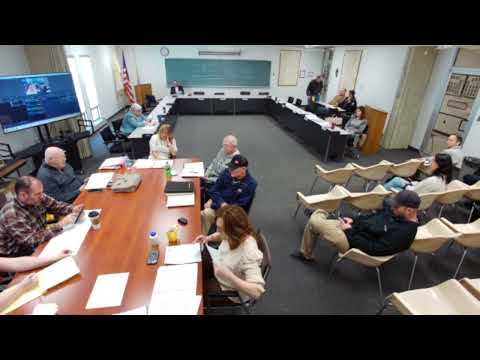
County counsel and planning staff told the Iroquois County Planning & Zoning Committee on April 7 that a recently enacted state law and a recent appellate decision will constrain local authority over project siting and will require revising county ordinances.
Attorney Andy summarized statutory changes that will affect wind and solar siting and said battery‑storage provisions substantially limit what local governments may require. He warned that the statute’s drafting leaves some timing and implementation questions unresolved and recommended frontloading required items into special‑use or similar review stages to ensure compliance.
Andy also told the committee about a third‑district appellate court decision issued March 10 that, in his description, held counties have limited or no discretion to deny a project that meets state statutory requirements. He said the county is in the third district and must account for that ruling as it updates ordinances; an outstanding fourth‑district case could eventually prompt further review but would not immediately change the legal position for counties in the third district.
Staff and counsel proposed assembling a small working group to carry forward model ordinance language and to identify which elements of the county’s current ordinance should be preserved where allowed. They emphasized the statutory deadlines counties must meet and noted some fees and permit structures in current ordinances will need adjustment.
Committee members asked procedural questions about the shortened or altered time frames for public hearings and whether the county has sufficient time to revise ordinances before new rules take effect; counsel and staff said they will circulate model language and coordinate next steps with committee members.
Next steps: staff will circulate model ordinance text and convene a drafting subgroup; proposed ordinance changes will be scheduled for committee review and public hearing ahead of the statutory deadlines.